معرفی
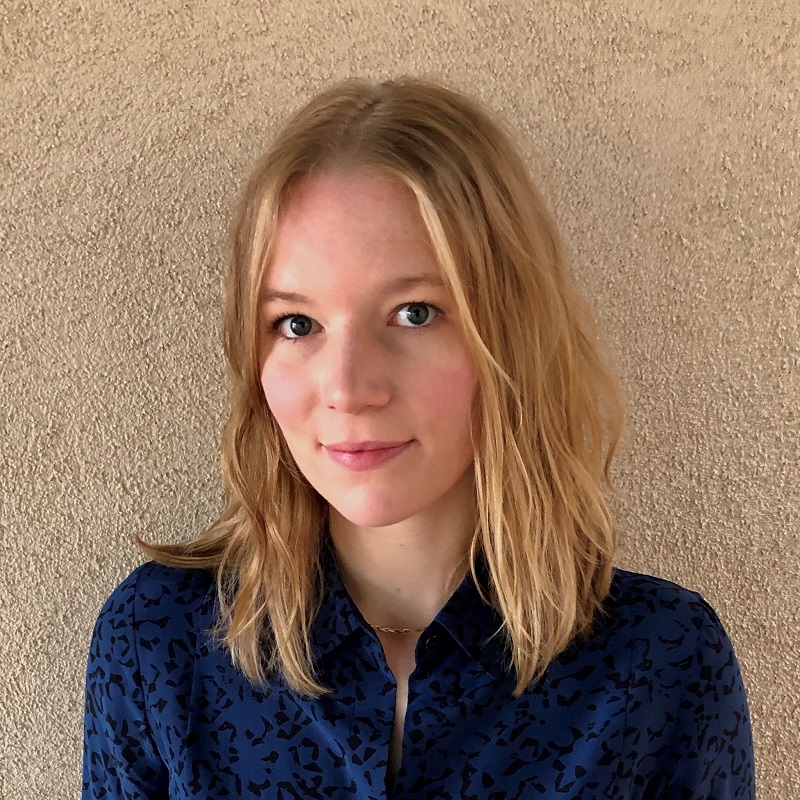
Karla Wagner is an Associate Professor in the School of Public Health at the University of Nevada, Reno. She is a behavioral scientist whose research focuses on mitigating health harms among people who use drugs, with continuous funding from the National Institutes of Health (NIH) and the Centers for Disease Control and Prevention (CDC) since 2008. Her work employs mixed methods and qualitative approaches to study harm reduction interventions, overdose prevention, and substance use patterns, particularly related to methamphetamine and opioids.
Education:
- Ph.D. in Preventive Medicine (Health Behavior Research), University of Southern California
- Postdoctoral Fellowship, Division of Global Public Health, University of California, San Diego
- M.A. in Applied Anthropology, Northern Arizona University
- B.A. in Anthropology and Minor in Biology, University of Colorado, Boulder
Her research interests include harm reduction, overdose prevention, substance use disparities, social determinants of health, and the intersection of public health and criminal justice. She has led and co-led multiple federally funded studies, including projects on naloxone distribution, methamphetamine use in the Mountain West, and social networks of overdose responders.
Her recent publications reflect a strong trend in qualitative and mixed methods research focused on marginalized populations, with recurring themes of fentanyl contamination, peer recovery support, and structural barriers to health. She frequently collaborates with students and community partners, evidenced by co-authored publications and community-engaged research.
Scientific Awards:
- No awards explicitly mentioned in the text.
Dr. Wagner actively mentors students, as indicated by the asterisked student authors on her publications. She has received significant grant funding from NIH/NIDA and CDC, supporting her ongoing research in public health interventions. She teaches graduate courses in mixed methods and applied public health research, contributing to the training of future public health professionals.
Her work is often conducted in collaboration with community-based organizations and public health departments, particularly in Nevada and New Mexico, focusing on real-world implementation of harm reduction strategies. She is involved in developing tools such as simulation models for public health officials and evaluating peer-based interventions in emergency departments.
حوزههای پژوهشی