معرفی
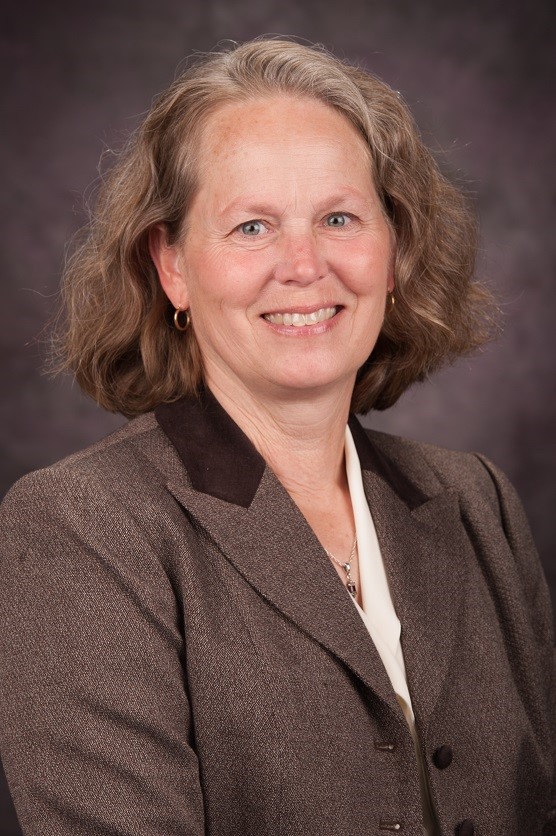
Karin Allen is an Associate Professor and Director of the Master of Food Safety and Quality (MFSQ) program at Utah State University's Department of Nutrition, Dietetics & Food Sciences, where she also serves as an Extension Food Quality & Entrepreneurship Specialist. Her work bridges academic research, teaching, and extension services in food safety, quality, and entrepreneurship.
Her academic credentials include:
- PhD in Nutrition and Food Sciences (Food Science), Utah State University, 2009
- MS in Nutrition and Food Sciences (Food Science), Utah State University, 2004
- BS in Nutrition and Food Sciences (Culinary Arts/Food Service Management), Utah State University, 2001
Dr. Allen's research centers on food safety and quality, with emphasis on meat science (particularly beef/poultry color stability), antioxidant mechanisms, food packaging, and food entrepreneurship. Her work investigates lipid effects on baked goods, natural preservatives, and safety protocols for emerging cooking technologies like electric pressure cookers, addressing critical gaps in food safety education and small-scale food production.
Analysis of her 14 peer-reviewed publications reveals consistent focus on food safety challenges across meat science, plant-based products, and sustainable processing. Key trends include antioxidant applications for color stability, bioactive compound extraction from food waste, and consumer behavior in local food systems, with increasing emphasis on novel food technologies and entrepreneurial support.
Her awards include:
- New Specialist of the Year (2012) from USU Extension Specialists Association
- Graduate Researcher of the Year (2009) from USU College of Agriculture
Dr. Allen has mentored 27 graduate students in food safety, quality, and entrepreneurship research. Her extension initiatives include ongoing projects "Promoting Food Quality" (2011-present) and "Food Entrepreneur Assistance" (2010-present), which provide critical resources for food safety compliance and business development, alongside past projects like refugee employment pathways (2014-2017).
Her research utilizes departmental food science laboratories and extension networks to address real-world challenges in food safety education, entrepreneurship support, and sustainable processing, with strong industry and community partnerships.