معرفی
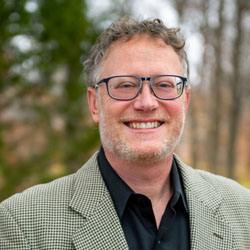
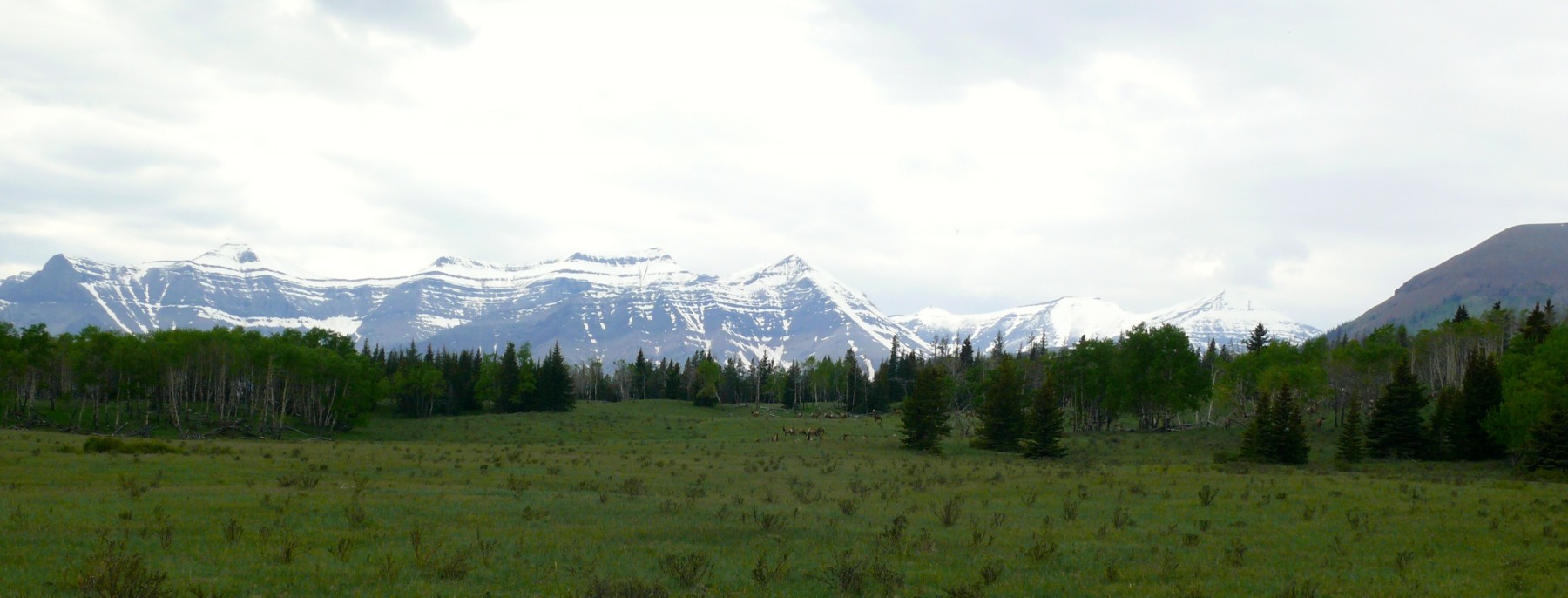
Dr. Karen E. Hodges is a Professor of Conservation Biology in the Department of Biology at the University of British Columbia Okanagan (UBC Okanagan), affiliated with the Irving K. Barber Faculty of Science. She is also Associate Head (Graduate Studies) for the Biology Department and holds the Bert Brink Canada Research Chair in Conservation Biology. Her research focuses on conservation ecology, particularly how habitat configuration and climate change affect species interactions, endangerment of at-risk species, and population dynamics at species' range peripheries. She studies terrestrial vertebrates in western montane forests and sage-steppe habitats, emphasizing fire ecology, human impacts, and policy effectiveness.
Education: PhD in Zoology from UBC Vancouver; B.A. (Summa cum laude) in Biology and English from Mount Holyoke College. Awards include the President’s Award for Public Education (2024), Aldo Leopold Leadership Fellowship, and multiple teaching accolades.
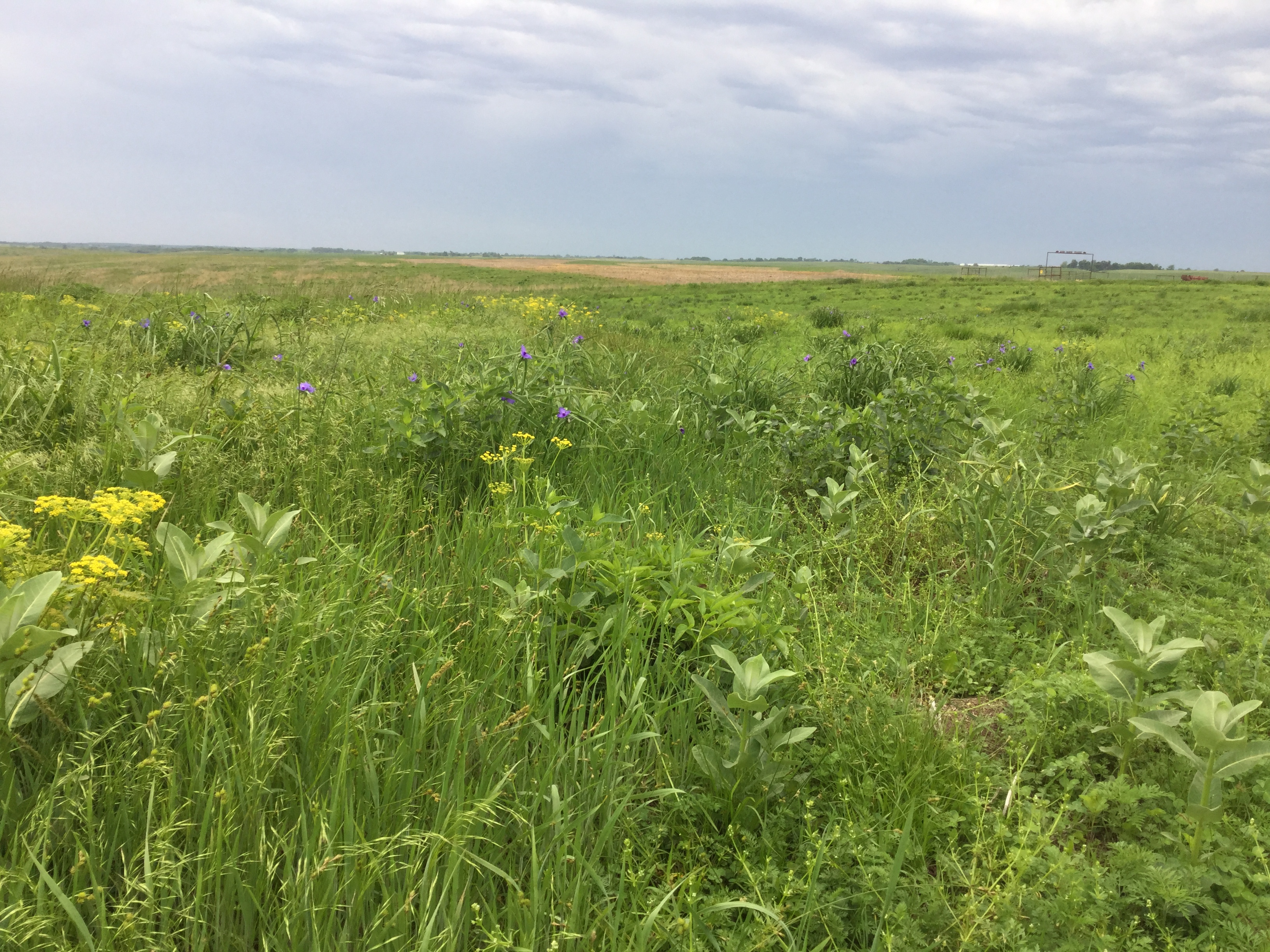
Research spans fire impacts on wildlife, peripheral population conservation, lynx-snowshoe hare dynamics, and biosolids in grasslands. She collaborates with government agencies and non-profits, emphasizing science communication and policy engagement. Her lab actively mentors students in field research, modeling, and policy analysis.
Key projects include studying Canada lynx and snowshoe hares in fragmented landscapes, post-fire carnivore behavior, and biosolids' effects on grassland communities. Grants and funding come from NSERC, UBC, and industry partnerships. Her outreach includes media interviews on wildfires and endangered species legislation, reaching national and international audiences.
Teaching includes Conservation Biology, Spatial Ecology, and Science Writing courses. She champions inclusive mentorship, supporting underrepresented groups in STEM through research training and leadership opportunities.
Current students work on cougar ecology, post-fire predator guilds, and screech-owl habitat suitability. Former trainees have pursued academic, government, and NGO careers. Her lab's interdisciplinary approach bridges fieldwork, policy, and community engagement to address global conservation challenges.