معرفی
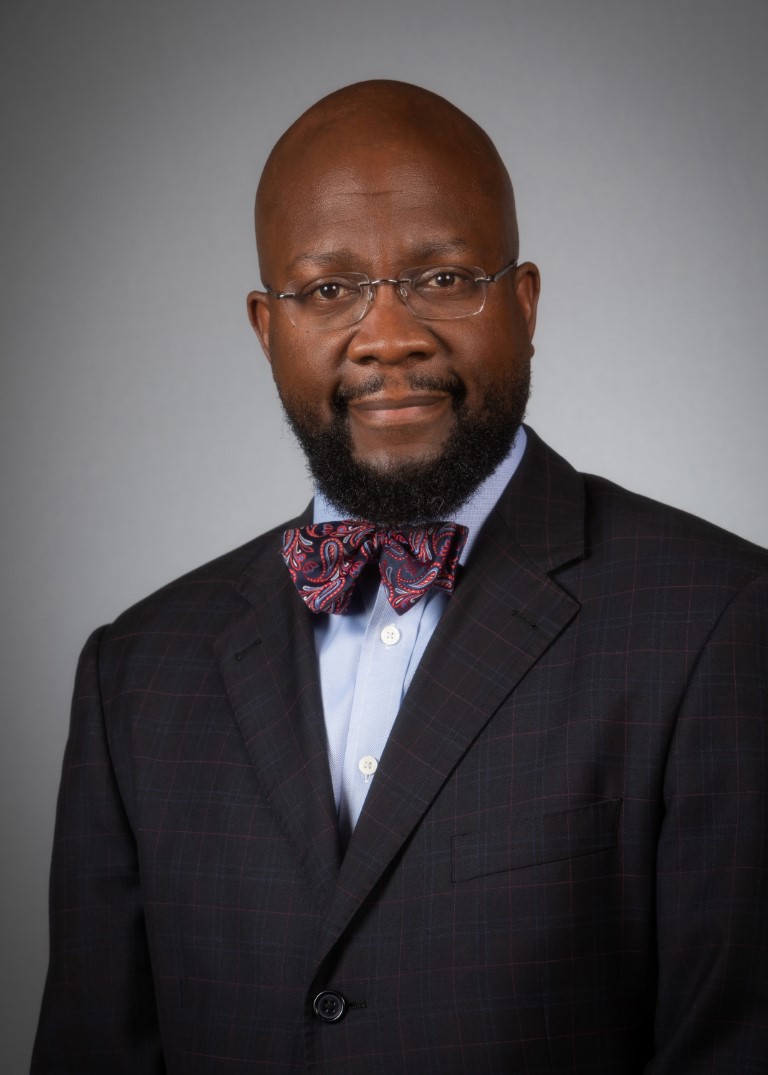
Kamau Oginga Siwatu is a Professor of Educational Psychology and currently serves as the Interim Dean of the Texas Tech University College of Education, effective June 2024. He previously held roles as Interim Associate Dean for Academic Affairs (January 2024) and Chair of the Educational Psychology, Leadership, and Counseling Department (since 2020). His leadership focuses on strategic enrollment management, faculty development, and institutional compliance. Siwatu holds a B.A. from California State University, Dominguez Hills; an M.A. from Florida State University; and a Ph.D. in Educational Psychology from the University of Nebraska-Lincoln.
Dr. Siwatu’s research expertise centers on self-efficacy beliefs in teaching and research contexts, particularly in culturally responsive pedagogy. His work explores how self-efficacy influences career decisions and student outcomes, with four key strands: (1) preservice teachers’ self-efficacy formation, (2) context specificity of culturally responsive teaching beliefs, (3) positive outcomes of culturally responsive teaching practices, and (4) the role of educational psychology in teacher preparation. He emphasizes bridging theory and practice to enhance teaching quality and student diversity inclusion.
His publications, spanning 2007–2015, address culturally responsive teaching, self-efficacy in K-12 and post-secondary settings, and mixed-methods research. They highlight interventions to build teacher confidence, the impact of cultural familiarity on student learning, and strategies for fostering inclusive educational environments. These contributions underscore his commitment to advancing equitable education practices through empirical research.
As a faculty leader, Siwatu has managed departmental budgets, resolved conflicts, and achieved a 100% success rate in faculty promotion and tenure reviews. He advises on enrollment strategies, student experiences, and collaborative stakeholder engagement across the college. His future initiatives include optimizing recruitment processes and advocating for the College of Education’s interdisciplinary goals.