معرفی
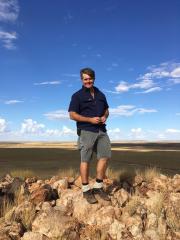
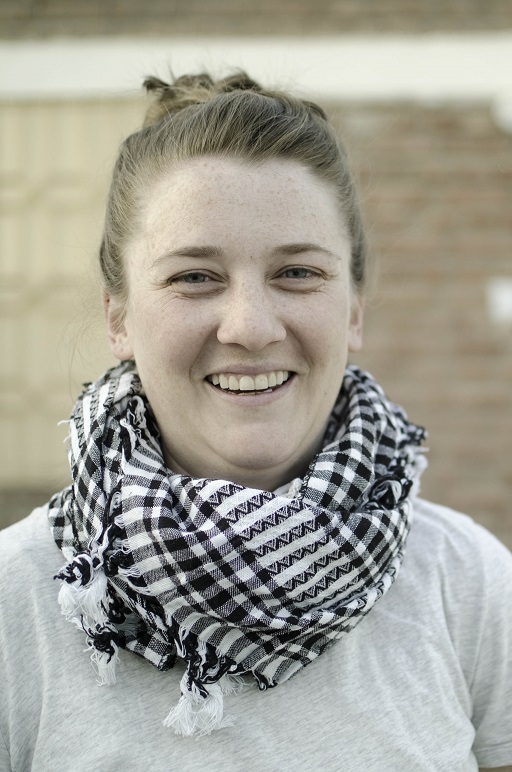
Dr Justyna Miszkiewicz is an ARC Future Fellow at the University of Queensland's School of Social Science. Her research focuses on bioarchaeology, osteology, and dental histology, particularly examining skeletal microstructure to understand health, behavior, and social dynamics in past populations. She has conducted extensive studies on medieval English populations, island-dwelling vertebrates, and historical communities like the Otago Goldfields miners. Her work bridges biological anthropology and historical analysis, emphasizing interdisciplinary approaches.
Key research interests include bone remodeling processes, paleopathological conditions, and the social determinants of skeletal health. She explores topics such as vitamin D deficiency in historical contexts, the impact of mobility on bone morphology, and the application of advanced imaging techniques in bioarchaeological studies. Miszkiewicz also investigates evolutionary adaptations in island species, using histological methods to analyze dwarf and giant mammals.
Dr Miszkiewicz has published widely on bone microstructure variations, including studies on Neanderthal growth patterns, thalassemia in Southeast Asia, and medullary bone formation in birds. Her research methodologies emphasize open-access software and address challenges like taphonomic changes and diagenesis in bone preservation.
- Scientific Awards: ARC Future Fellow (2025)
Her advisory role involves guiding Higher Degree by Research (HDR) students, with a focus on bioarchaeological and osteological research. She contributes to collaborative projects such as the SocioHealthLab and the UQ Bioarchaeology and Osteology Network (BONE), fostering interdisciplinary dialogue on health in historical and archaeological contexts.
Miszkiewicz actively engages in lab-based research, including analyses at the Capricorn Caves and Grande Abrigo de Santana do Riacho. She also explores innovative educational approaches, such as online bioarchaeology modules for international adult learners, and has presented findings in venues like the Royal Society of Queensland proceedings.