معرفی
Jun Xie is a Professor of Statistics and Graduate Chair in the Department of Statistics at Purdue University's College of Science. His research bridges causal machine learning, bioinformatics, and computational statistics with applications in genomics, proteomics, and precision medicine.
Education:
- B.S. in Probability and Statistics, Peking University, 1994
- M.S. in Probability and Statistics, Peking University, 1997
- Ph.D. in Statistics, University of California, Los Angeles, 2000
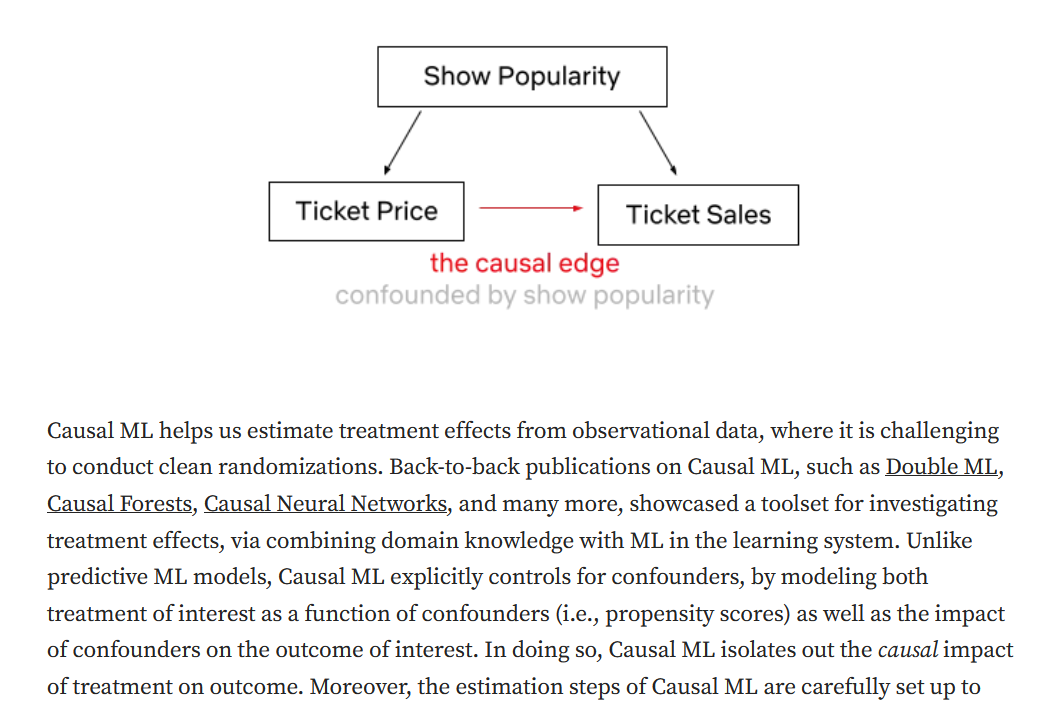
Xie's research centers on causal machine learning and causal AI, specifically addressing causal inference from observational data when perfect interventions are absent. His group develops methods to integrate causal inference with machine learning for treatment effectiveness evaluation and precision medicine. He maintains significant contributions in bioinformatics, including Bayesian methods for genomics, proteomics, and statistical genetics, with applications in cotton fiber development and biomedical research.
His recent publications (2022-2025) reveal a dominant focus on causal machine learning, featuring breakthroughs in causal representation learning and heterogeneous treatment effect estimation. Simultaneously, his bioinformatics work demonstrates strong continuity in multi-omics integration for plant science and biomedical applications, particularly in cotton development and vocal fold physiology.
Scientific Awards:
- College of Science Outstanding Service Award, 2016
- College of Science Team Award, 2014
- Excellence in Research / Seed for Success, 2014
- Excellence in Research / Seed for Success, 2012
- College of Science Graduate Student Mentoring Award
Xie has mentored 11 PhD graduates including Donglai Chen (2019) and Pengcheng Yang (2025), with 4 current PhD students. His NIH and NIFA-funded research supports work on causal inference methods and bioinformatics applications, particularly in agricultural and biomedical contexts.
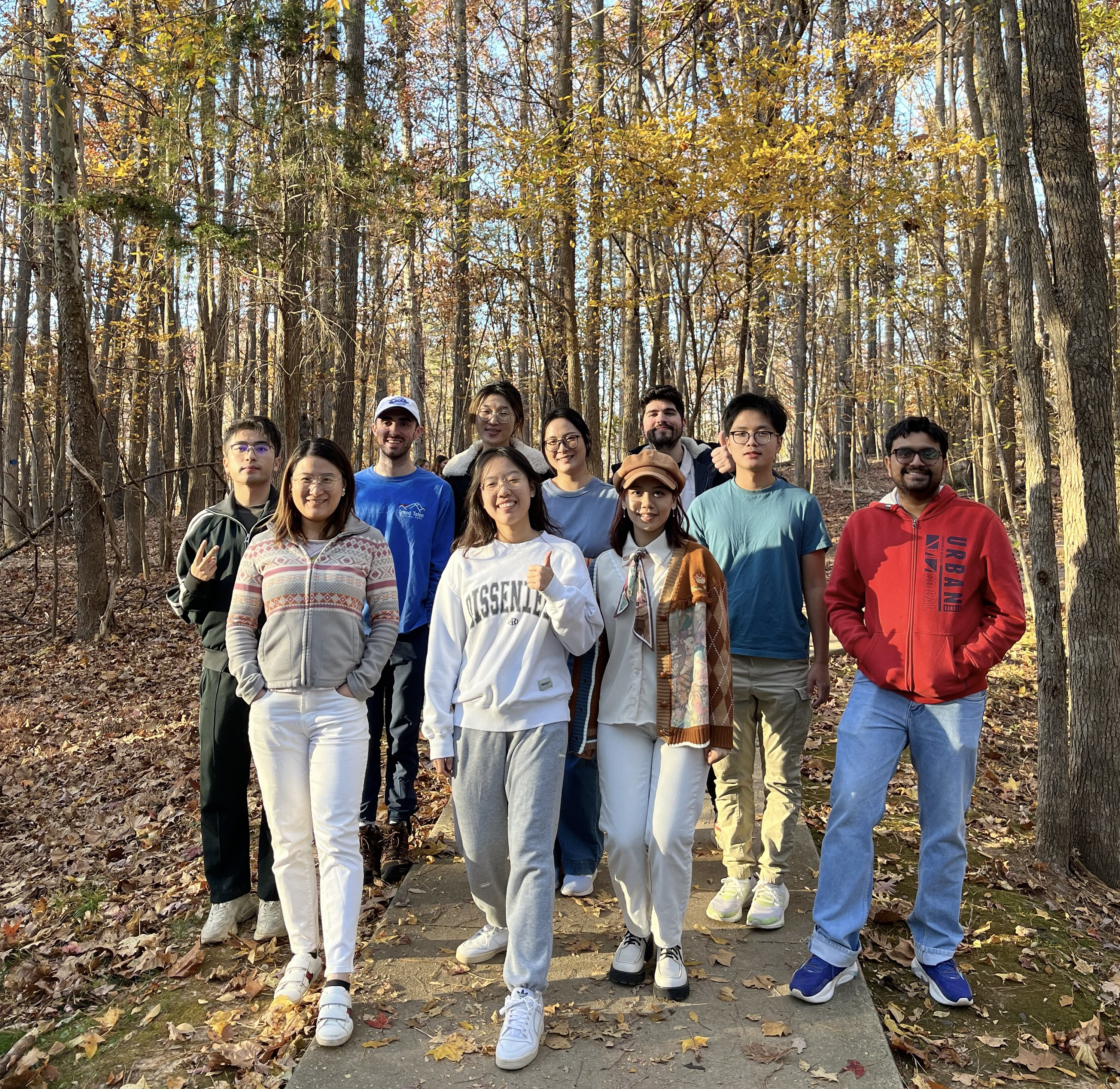
Xie leads an active research group focused on causal machine learning, developing methods for real-world data analysis where perfect interventions are absent. The group explores synergies between causal inference, machine learning, and AI, with recent emphasis on causal generative AI for precision medicine and treatment evaluation.