معرفی
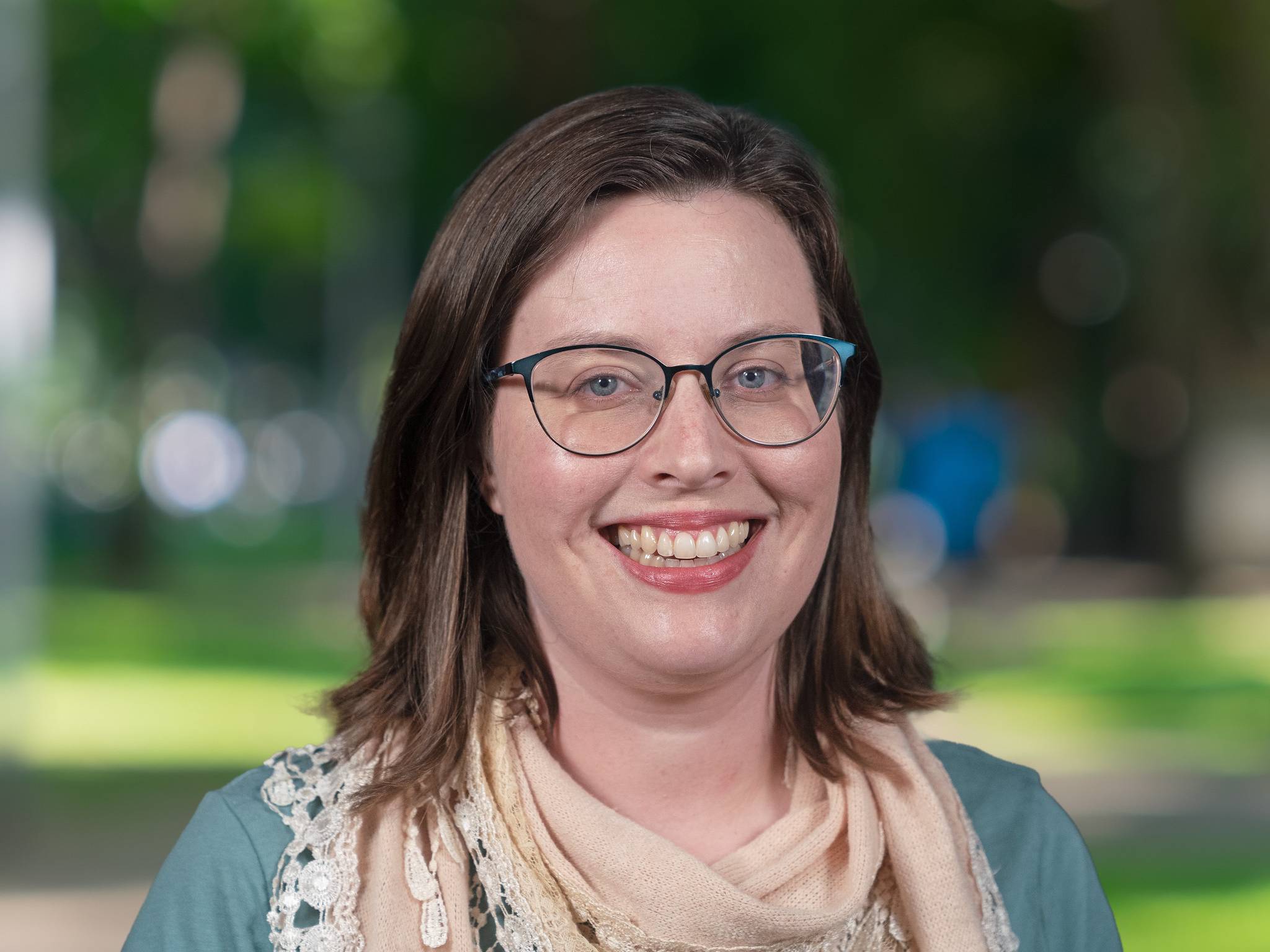
Judith Fathallah is a Research Fellow at Coventry University's Research Centre in Postdigital Cultures, specializing in open access book publishing and fan studies. She serves as a core researcher in two major international projects: COPIM (Community-led Open Publication Infrastructures for Monographs, 2019-2023) and OBF (Open Book Futures, 2023-2026), focusing on sustainable scholarly communication infrastructures.
Her research spans the intersection of digital media cultures and academic publishing, with dual expertise in open access monograph ecosystems and contemporary fandom phenomena. She investigates author agency in open publishing landscapes while simultaneously analyzing true crime narratives in digital spaces, particularly examining how platforms like YouTube reshape audience engagement with crime storytelling and celebrity culture. Her work critically addresses precarity in academic labor through the lens of publishing choices.
Recent publications (2024-2025) reveal two dominant trajectories: technical and ethical dimensions of open book publishing (including Open Book Collective frameworks and BPC alternatives), and cultural studies of post-true crime media. This dual focus manifests in conference presentations spanning scholarly communication forums and fan studies symposia, demonstrating her bridging of academic publishing infrastructure with popular media analysis.
Dr. Fathallah actively contributes to the Open Book Collective's development fund initiatives and has organized international workshops like 'Fan Studies and True Crime in the New Media Environment' (2025). Her project work involves extensive collaboration with libraries, publishers, and technology providers across the COPIM consortium's stakeholder network, developing practical tools for open monograph dissemination.
Her media engagement includes expert commentary on 'Killer Fandom', queerbaiting controversies (Harry Styles/Cardi B), anti-hero psychology, and emo revival culture. The research fingerprint shows dominant connections between Fandom (100%), Open Access Book systems (94%), and Metadata standards (50%), reflecting her interdisciplinary approach to digital knowledge ecosystems.