معرفی
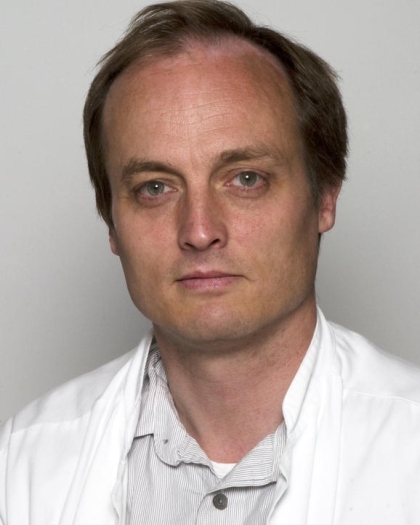
Jubayer Hossain is an Associate Professor at the Department of Biomedicine, University of Bergen, Norway, where he conducts cutting-edge research in cancer biology, particularly focusing on glioblastoma and suicide gene therapy. He is affiliated with the Brain Tumor & Microenvironment Research Group and teaches advanced courses such as Tumor Biology (BMED 331) and Methods in Biomedical Research (BMED320).
- Position: Associate Professor
- Institution: University of Bergen
- Department: Department of Biomedicine
- Email: jubayer.hossain@uib.no
His research interests include cancer biology, glioblastoma, suicide gene therapy, oncolytic virotherapy, tumor microenvironment, and immunotherapy. He explores molecular mechanisms such as the bystander effect in HSV-TK/GCV therapy and investigates novel strategies to enhance treatment efficacy through stem cell applications and gap junction modulation.
The recent publications reveal a strong trend in targeting glioblastoma through gene therapy and virotherapy, with a focus on understanding cell death mechanisms, tumor-immune interactions, and improving therapeutic delivery. His work spans preclinical models, molecular oncology, and translational applications.
Scientific Contributions:
- Extensive research on suicide gene therapy for glioblastoma
- Investigations into oncolytic H-1 parvovirus for cancer treatment
- Studies on tumor-associated macrophages and immunomodulation
- Exploration of stem cell-based regenerative medicine in oncology
Supervision and Collaboration:
Jubayer Hossain actively mentors students and researchers, supervising 3 PhD candidates, 8 MSc students, and several master’s theses. He collaborates with leading scientists such as Hrvoje Miletic and Antonio Marchini. His work is supported by ongoing projects in anti-cancer therapy, immunotherapy, and molecular mechanisms of gene therapy.
Labs and Research Groups:
He is a key member of the Brain Tumor & Microenvironment Research Group at UiB, where his team investigates molecular pathways in glioma progression and therapeutic resistance using advanced in vitro and in vivo models.