معرفی
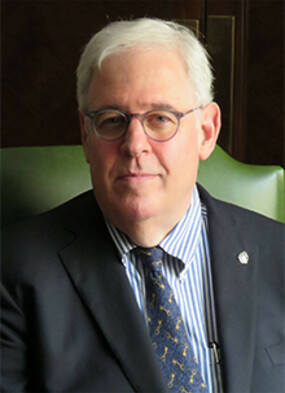
Joseph J Fins, M.D., M.A.C.P., F.R.C.P., is a Professor at Weill Cornell Medicine in the Division of Medical Ethics in New York City. With 473 publications and 47,740 reads on ResearchGate, Dr. Fins is a leading scholar in medical ethics, neuroethics, and disorders of consciousness research.
His educational background includes medical training reflected in his M.D. credential, along with professional certifications as indicated by M.A.C.P. (Master of the American College of Physicians) and F.R.C.P. (Fellow of the Royal College of Physicians).
Dr. Fins's research focuses on the ethical dimensions of severe brain injury, disorders of consciousness, and neurotechnology. His work bridges clinical medicine, neuroscience, and philosophical ethics, with particular attention to patient rights, decision-making for non-responsive patients, and the implications of emerging neurotechnologies. He has been instrumental in developing guidelines for the assessment and treatment of disorders of consciousness, contributing to the 2018 practice guidelines published by the American Academy of Neurology.
Analysis of his recent publications shows a consistent focus on disorders of consciousness, brain injury rehabilitation, neuroethics, and the intersection of disability rights with medical care. His work often addresses practical clinical challenges while maintaining a strong ethical framework, with increasing attention to the implications of artificial intelligence in neurotechnology. Dr. Fins has been particularly influential in highlighting how cognitive motor dissociation raises profound ethical questions about diagnosis, treatment, and patient rights.
- Medical Ethics
- Neuroethics
- Disorders of Consciousness
- Brain Injury and Rehabilitation
- Research Ethics
- Disability Rights and Healthcare
Dr. Fins actively participated in ethics consultation services during the COVID-19 pandemic in New York City, addressing ethical challenges in resource allocation and end-of-life care. His work with the Curing Coma Campaign demonstrates his commitment to improving outcomes for patients with severe brain injuries through both research and ethical guidance. He has also contributed to cross-cultural medical ethics, examining shared perspectives of Orthodox Judaism and Islam on medical decision-making.
He leads a significant research program focused on medical ethics and neuroethics, collaborating with clinicians, neuroscientists, and ethicists across multiple institutions to advance understanding of consciousness disorders and their ethical implications. His scholarship consistently bridges theoretical ethical frameworks with practical clinical challenges, making his contributions valuable to both academic discourse and bedside medicine.