معرفی
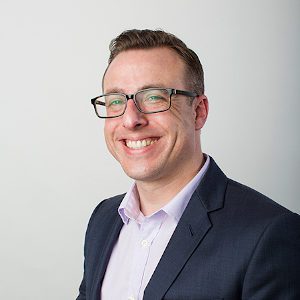
Jordan Windholz serves as an Associate Professor in the English Department within Shippensburg University's College of Arts & Sciences, where he teaches undergraduate courses spanning Shakespeare, Renaissance literature, creative writing, and gender studies. His dual expertise in scholarly research and poetic practice creates a dynamic academic presence focused on textual analysis and creative expression.
His educational trajectory began with a BA from Messiah College, where he discovered Shakespeare and poetry, followed by an MFA in contemporary poetry from the University of Colorado, Boulder, and culminated in a PhD from Fordham University where he returned to Shakespearean studies. This path reflects his evolving scholarly identity:
- BA: Messiah College
- MFA: University of Colorado, Boulder
- PhD: Fordham University
Windholz's research centers on Shakespeare and Renaissance literature through critical lenses of gender, sexuality, and race, exemplified by his current monograph The Single Life: Unpatriarchal Manhood in English Renaissance Literature. As an award-winning poet, he explores sisterhood, identity, and emotional landscapes in collections like Other Psalms and The Sisters, demonstrating how creative practice informs academic inquiry and vice versa.
Analysis of his publications reveals consistent engagement with early modern texts through contemporary critical frameworks, evolving from studies of bachelor communities in Shakespeare's London to recent examinations of white supremacy in A Midsummer Night's Dream and queer testimonies in All's Well That Ends Well. His poetry simultaneously pushes formal boundaries while addressing mythic and personal narratives, establishing him as a significant voice in both academic and literary spheres.
His recognition includes:
- Vassar Miller Prize in Poetry (2014) for Other Psalms
While specific student advisees aren't listed, Windholz mentors undergraduates in literature and creative writing courses. No major research grants are documented in available materials, though his publication record demonstrates sustained scholarly productivity. He contributes to departmental initiatives without leading formal research laboratories or specialized teams.