معرفی
John Assad is a Professor of Neurobiology at Harvard Medical School, Harvard University, where he leads a research laboratory focused on the neuronal mechanisms of voluntary movement initiation. He is affiliated with the Department of Neurobiology and actively contributes to interdisciplinary neuroscience initiatives, including the MBB (Mind, Brain, Behavior) project at Harvard.
Research Interests:
- Neural circuits underlying motor control
- Dopamine signaling and behavioral vigor
- Basal ganglia function in movement disorders
- Integration of electrophysiology, optical imaging, and computational modeling
His research combines behavioral paradigms with advanced neurophysiological techniques in mouse models to understand how the brain initiates self-paced actions—a question with profound implications for Parkinson’s disease and other motor disorders.
The recent publications and preprints from his lab focus on dopamine dynamics, basal ganglia output, and neural correlates of behavioral vigor. These works reflect a strong trend in systems and circuit neuroscience, with an emphasis on in vivo recording and computational analysis of neural activity during naturalistic behaviors.
Scientific Awards and Recognition:
- No personal scientific awards were mentioned in the provided text.
Advising and Funding:
- PhD student Nigel Hunter was awarded the Edward R. and Anne G. Lefler Center Predoctoral Fellowship.
- Postdoc Dan Svedberg received the Goldenson Postdoctoral Fellowship.
- The lab is supported by a U19 research grant, as evidenced by the recent perspective in Nature Neuroscience.
Laboratory and Team:
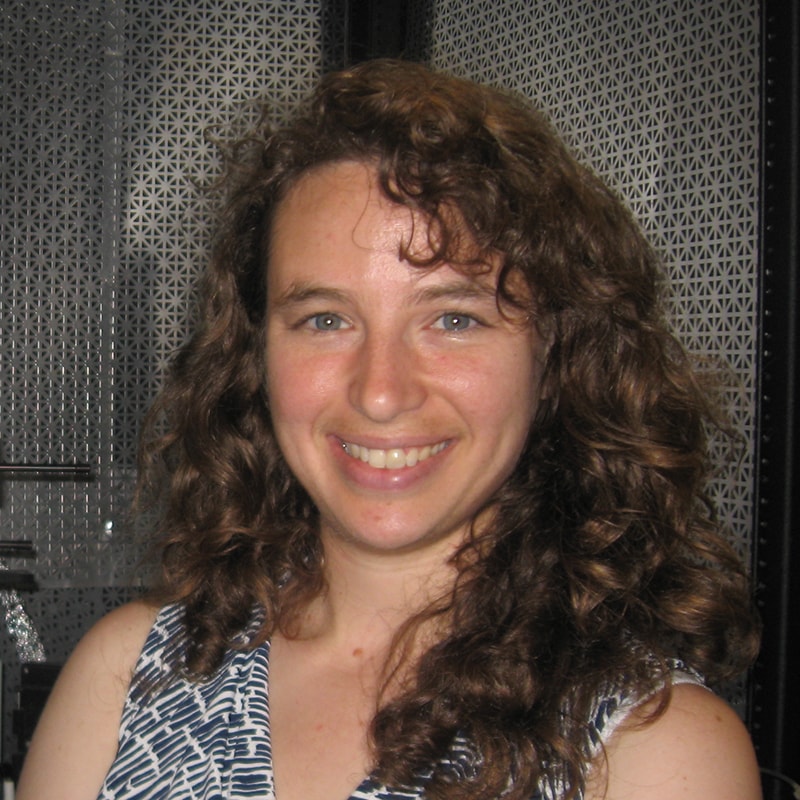
Dr. Assad's lab includes PhD students, postdoctoral researchers, and collaborators working on cutting-edge neuroscience projects. The team utilizes a multidisciplinary approach combining electrophysiology, optical imaging, and computational modeling in mouse models. The lab maintains active publication and grant funding, indicating a vibrant and productive research environment.