معرفی
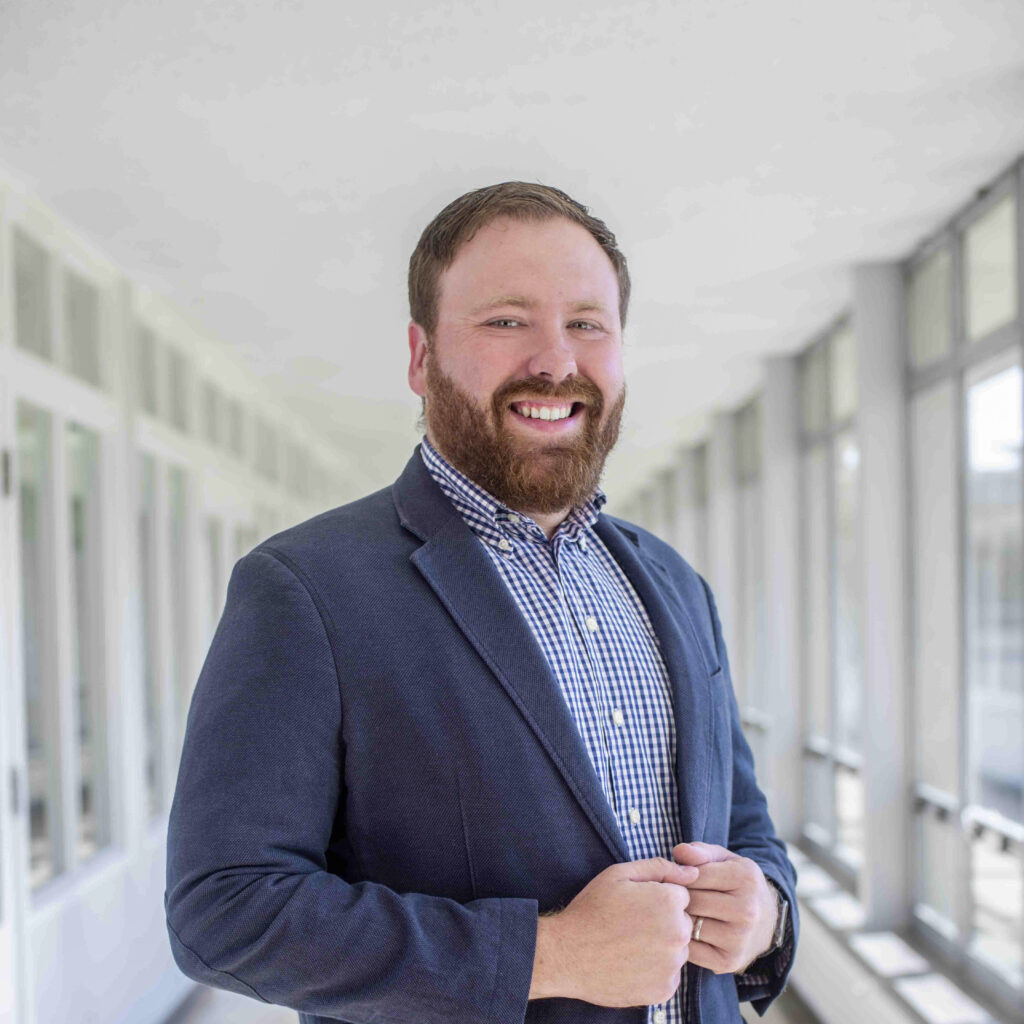
John Anthony Dunne is an Associate Professor of Biblical and Theological Studies in the College of Arts and Sciences at Bethel University, where he has taught since 2017. His academic expertise spans New Testament studies, Greek language instruction, and biblical interpretation with emphasis on Pauline literature and early Christian contexts.
Dr. Dunne's educational background includes:
- B.A. in Biblical and Theological Studies from Biola University (2008)
- M.A. in New Testament Language and Literature from Talbot School of Theology (2010)
- M.A. in Old Testament and Semitics from Talbot School of Theology (2011)
- Ph.D. in New Testament from the University of St. Andrews (2016)
His research centers on New Testament studies, particularly Paul's letters (notably Galatians), Christian origins, and Second Temple Judaism. He explores theologies of suffering and mortality, ritual practices, symbolism of ancient fermented beverages, critiques of imperial ideology, intertextuality with antecedent texts, and biblical reception in contemporary popular culture—including Harry Potter, Black Mirror, and Stranger Things.
Analysis of his 15 most recent publications (2018-2024) reveals consistent engagement with Pauline exegesis while increasingly incorporating pop-culture frameworks. Key thematic trajectories include wine symbolism in biblical theology (e.g., Amos/Joel studies), suffering theologies in sacramental contexts, and technology critiques through media analysis (e.g., Black Mirror episodes addressing digital afterlife and addiction).
Dr. Dunne has not listed any scientific awards in his current profile.
No specific details about doctoral advisees or major grant funding were provided in available materials, though his collaborative edited volumes suggest mentoring activity. His pedagogical innovations include integrating Flipgrid for theological education.
Professional activities include editorial work for Ancient Readers & Their Scriptures and co-founding Theology, Religion, and Pop Culture book series, but no dedicated research labs or large-scale teams are documented.