معرفی
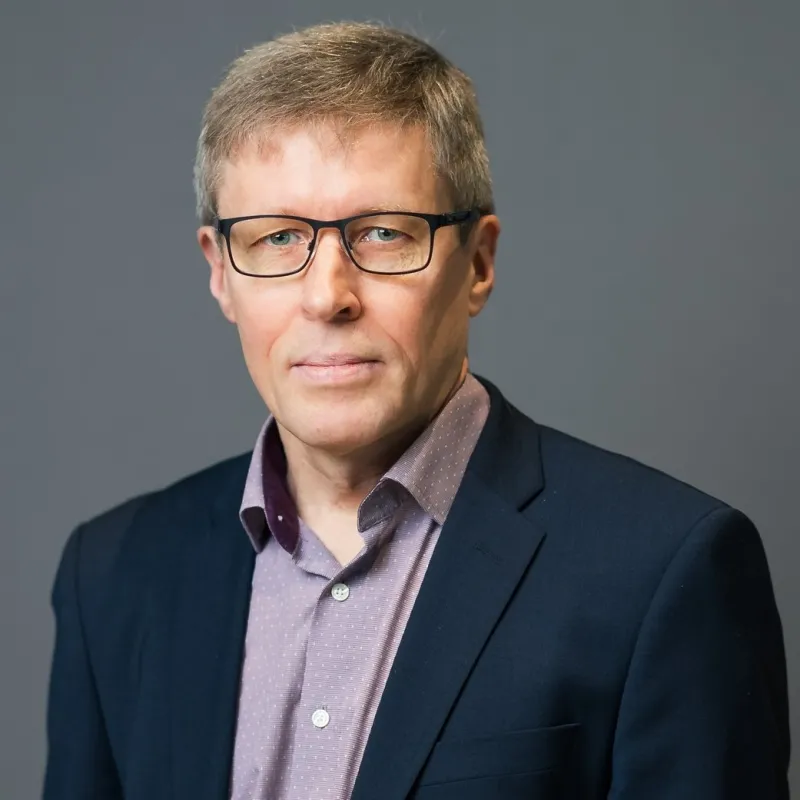
Jo P. Dewulf is a prominent Professor at Ghent University in Belgium, with an extensive publication record of 422 documents and an impressive h-index of 74. His research spans multiple disciplines within environmental science and sustainability, with over 21,242 citations from 17,158 documents, demonstrating significant academic impact.
Professor Dewulf's research interests are centered around Life Cycle Assessment (LCA), environmental sustainability, circular economy principles, and resource efficiency. His work critically examines the environmental impacts of various systems including renewable energy technologies, pharmaceutical production, food systems, and marine resource management. He has developed innovative methodologies for sustainability assessment that integrate both environmental footprint and handprint approaches, particularly in the context of the Blue Economy and pharmaceutical sustainability.
Analysis of his recent publications reveals a strong focus on practical applications of circular economy principles across diverse sectors. His work addresses critical challenges in renewable energy systems (particularly wind and solar), sustainable food production, pharmaceutical environmental impacts, and marine resource management. A notable trend is his integration of Life Cycle Assessment with Ecosystem Services Assessment to provide more comprehensive sustainability evaluations that consider both local and global impacts.
Professor Dewulf's research has significant policy implications, particularly in developing frameworks for sustainable resource management and circular economy implementation. His work on resource criticality, technical substitutability of recycled materials, and multi-scale sustainability assessment provides valuable tools for policymakers and industry stakeholders seeking to transition toward more sustainable practices.
His collaborative approach is evident in his extensive network of 818 co-authors, indicating strong interdisciplinary engagement. The breadth of his research, spanning from pharmaceutical sustainability to offshore wind energy systems, demonstrates his ability to address complex sustainability challenges across multiple domains while maintaining methodological rigor in environmental assessment.