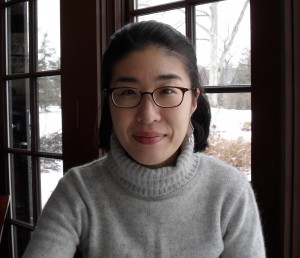
Jiyoon Lee
دانشیار · Language Assessment Literacy
University of Maryland, Baltimore Countyمعرفی
Dr. Jiyoon Lee is an Associate Professor in the Department of Education at the University of Maryland, Baltimore County (UMBC). She holds a Ph.D. in Educational Linguistics from the University of Pennsylvania (2011) and previously served on faculty at the University of Georgia. Her research focuses on language assessment literacy among teachers and learners, with emphasis on equity, multilingual education, and stakeholder collaboration. She has received the 2024 Outstanding Faculty Award and a Spencer Small Grant (2022) for her work on ESL instructors’ assessment literacy. Dr. Lee’s teaching experience includes supporting pre-service and in-service ESOL teachers, and she will be a residential research fellow at UMBC’s Dresher Center in Fall 2025.
Education Background:
- B.A. in English Language and Literature, Ewha Womans University (South Korea)
- M.S. Ed. in TESOL, University of Pennsylvania (2006)
- Ph.D. in Educational Linguistics, University of Pennsylvania (2011)
Research Interests: Dr. Lee investigates how language assessment practices impact teachers, learners, and administrators. Her work bridges theory and practice through studies on collaborative assessment development (ESL preservice teachers), family engagement strategies for multilingual students, and the role of music in language learning. She emphasizes culturally responsive pedagogy and equitable assessment frameworks that center marginalized voices, including young learners and immigrant communities.
Grants & Awards: In addition to her 2024 faculty award, her work has been supported by grants exploring language policy failures in East Asia (2020) and virtual exchange assessment methodologies (2021). Her research often addresses systemic inequities through interdisciplinary lenses, combining educational linguistics with sociocultural theory.
Labs/Teams: Dr. Lee’s current fellowship at the Dresher Center (2025) will advance her research on community college ESL instructors’ professional development needs. She collaborates with TESOL educators nationally to design assessment literacy programs and advocate for policy reforms in second language education.