معرفی
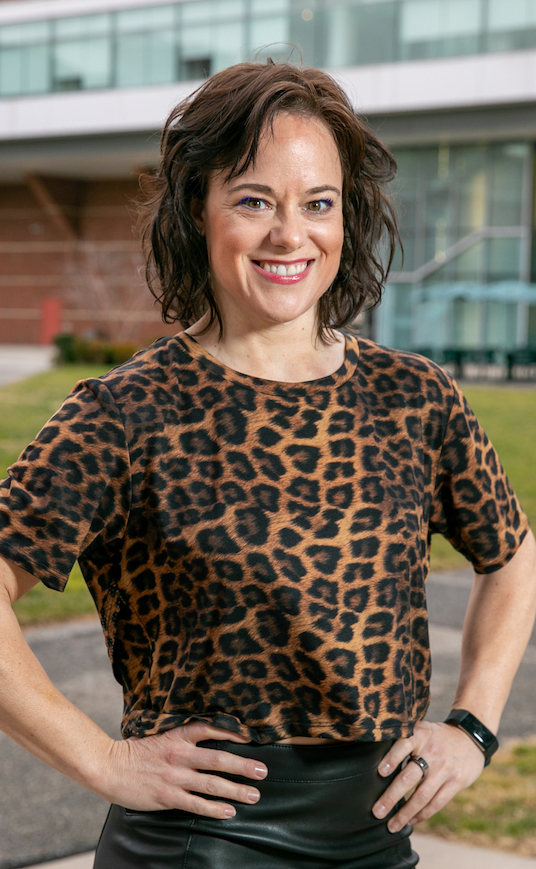
Jillian Cavanaugh is a Professor in the Department of Anthropology at Brooklyn College, City University of New York (CUNY), where she has taught since 2004. She is affiliated with the School of Natural and Behavioral Sciences and is based at 3301D James Hall. Her work lies at the intersection of linguistic anthropology, food studies, and material culture, with a regional focus on Northern Italy.
Education:
- BA in Sociolinguistics (Independent Major), Vassar College, 1993
- MA in Anthropology, New York University, 1997
- Ph.D. in Anthropology, New York University, 2003
Research Interests:
Cavanaugh’s research explores how language, food, and materiality intersect in shaping identity, value, and social life. She examines endangered and heritage languages, language ideologies, and the semiotics of food and culture. Her ethnographic work in Northern Italy delves into how local dialects, artisanal food production, and global capitalism interact to produce authenticity, memory, and social distinction.
Her recent publications reflect a consistent engagement with language as social action, materiality, and global cultural flows. From analyzing YouTube’s role in endangered language preservation to the semiotic labor behind salami-making, her work spans sociolinguistics, anthropology, and cultural studies.
Awards and Honors:
- Cultural Anthropology Senior Research Grant, National Science Foundation
- NEH Summer Stipend
- Whiting Faculty Fellowship, Brooklyn College
- Multiple PSC-CUNY Research Awards
- Bridges Across Brooklyn Faculty Fellows Program
Teaching and Advising:
Cavanaugh teaches a wide range of courses including Language and Culture, Endangered Languages, Anthropology of Europe, Food and Culture, and Language and Media. She regularly mentors students in independent research and internships, and has delivered keynote lectures and invited talks at major institutions and conferences across the U.S. and Europe.
Lab and Research Groups:
While no formal lab is listed, Cavanaugh is actively involved in the linguistic anthropology community and collaborates with scholars across disciplines. Her edited volumes and co-authored works reflect sustained engagement with collaborative ethnographic and theoretical projects.