معرفی
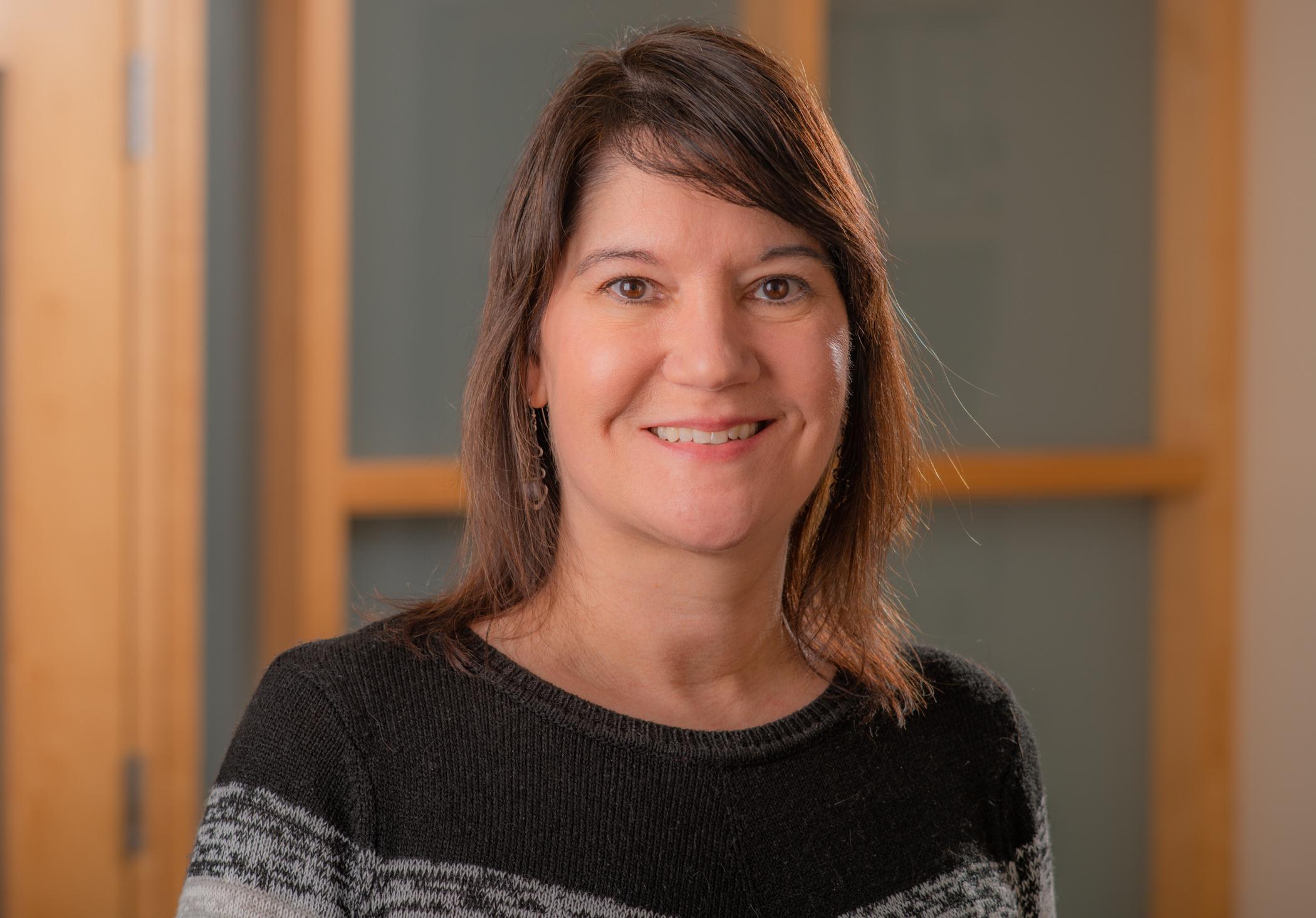
Jill A Kreiling is an Associate Professor (Research) in the Department of Molecular Biology, Cell Biology, and Biochemistry at Brown University School of Medicine. She also serves as the Associate Director of the Brown Center on the Biology of Aging since July 2018. Her research focuses on the molecular mechanisms of aging, particularly examining the role of transposable elements, epigenetic changes, and cellular senescence in the aging process.
Dr. Kreiling's research interests span several key areas in aging biology and molecular mechanisms of age-related changes. Her work has significantly contributed to understanding how retrotransposable elements become active during aging, how heterochromatin formation changes with age, and how these molecular changes impact tissue function and age-related diseases. She has developed innovative approaches to study aging processes using various model systems including mouse models, zebrafish, and cell culture systems.
Her research program has been consistently supported by NIH funding, including her current role as Principal Investigator on an R01 grant focused on identifying biomarkers in salivary vesicles for preclinical Alzheimer's disease. She has published extensively in high-impact journals including Nature, Cell, and Aging Cell, with her work being cited widely in the aging research community.
Dr. Kreiling has received several prestigious awards including the Mentored Research Scientist Development Award (K01) from the National Institute on Aging (2011-2017). Her collaborative network includes prominent researchers in the aging field such as John Sedivy and Nicola Neretti at Brown University.
As an educator, Dr. Kreiling has taught Introductory Microbiology and has mentored numerous students and postdoctoral fellows in her laboratory. Her research program provides valuable training opportunities for students interested in aging research, molecular biology, and translational approaches to age-related diseases.