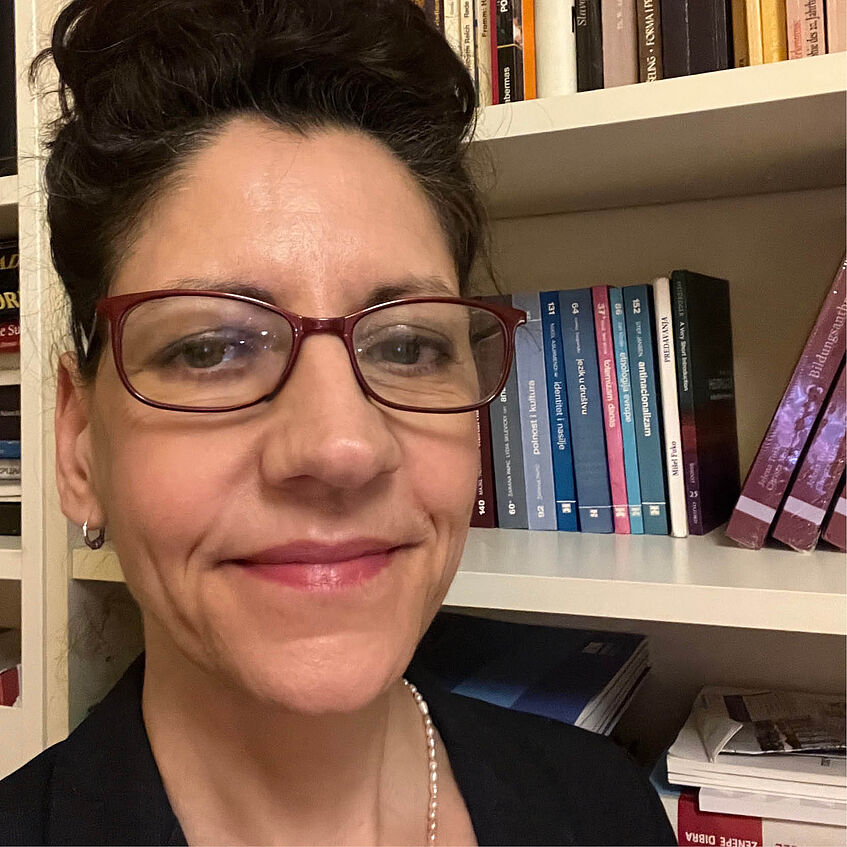
Jelena Tosic
پژوهشگر ارشد · Migration and Refugee Studies
Max Planck Institute for the Study of Religious and Ethnic Diversityمعرفی
Jelena Tosic serves as a Research Fellow at the Institute of Cultural and Social Anthropology, University of Vienna, conducting anthropological research on Southeastern European border regions with emphasis on ethno-religious diversity and conflict dynamics.
Her educational foundation includes a 2009 PhD publication titled Global Rights and local contexts. Human rights and globalization in the post-socialist transformation in Serbia through LIT Verlag in Vienna.
Research interests center on migration/refugee studies and multiculturalism transformations in the Balkans, particularly examining the Shkodra/Skadar border region between Albania and Montenegro. This area represents a unique anthropological case study due to its sustained peaceful coexistence amid pronounced ethno-religious diversity and regional conflicts, analyzed through the lens of EU accession processes. Her work bridges human rights frameworks with post-socialist transformation studies in localized contexts.
Publication analysis reveals consistent focus on Southeastern European anthropological dynamics, with particular attention to border regions undergoing political integration. Key thematic intersections include human rights implementation challenges, globalization's localized effects, and diversity management in transitional societies.
Scientific recognition includes:
- Austrian Academy of Sciences Southeast European Fellowship (AAS-CEE) awarded in 2010
Research funding secured through the AAS-CEE fellowship supports her project Diversity and Coexistence in a Peaceful Balkan Border Region. The Shkodra/Skadar region in the forefront of EU-Accession, investigating how this border area maintains stability despite regional tensions. This work contributes to understanding multicultural governance models in politically sensitive zones.
Current research activities operate within the University of Vienna's Institute of Cultural and Social Anthropology framework, though specific laboratory structures or collaborative teams aren't detailed in available documentation.