معرفی
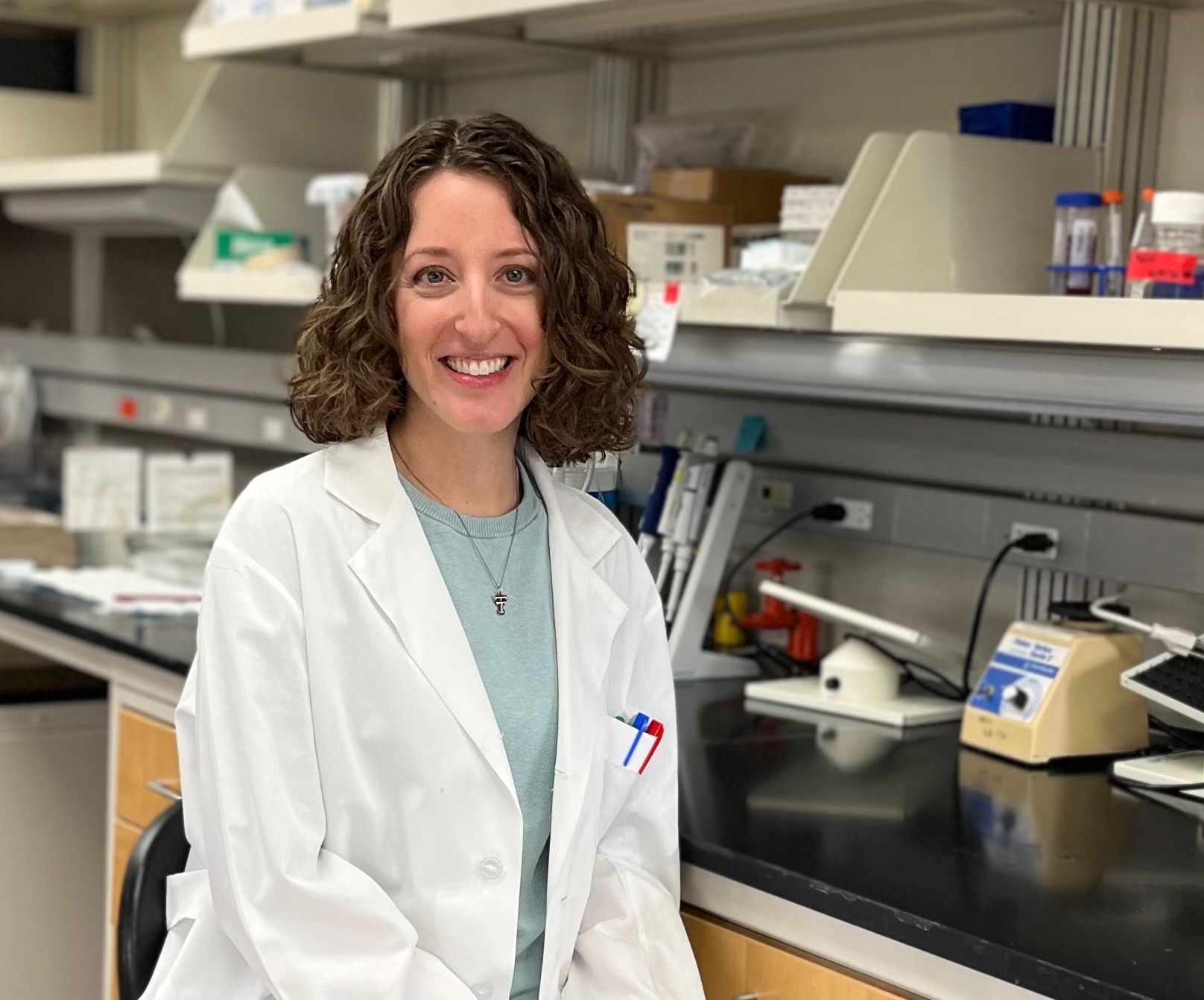
Jannette M. Dufour, Ph.D. serves as Professor and Department Chair of the Department of Cell Biology and Biochemistry at Texas Tech University Health Sciences Center School of Medicine. With a Ph.D. in Genetics and Cell Biology from Washington State University, she leads a research program focused on the immunoprotective properties of Sertoli cells and their therapeutic applications.
Dr. Dufour's research spans multiple areas of reproductive immunology and regenerative medicine. Her primary focus is on understanding how Sertoli cells create immune-privileged environments that could revolutionize transplantation medicine. Over the past decade, her work has increasingly centered on applying these principles to diabetes treatment, particularly through the development of Sertoli cell-based therapies that can deliver insulin or protect transplanted islets. Her research has revealed critical mechanisms by which Sertoli cells modulate immune responses, including interactions with the complement system and regulatory T cells.
Analysis of her recent publications (2020-2023) shows a clear trajectory toward translational applications of Sertoli cell biology. Her work now integrates molecular immunology with practical therapeutic approaches, particularly for diabetes treatment. The research increasingly focuses on the mechanisms of immune privilege at the molecular level, with particular attention to the complement system's role in xenograft survival. Recent studies have expanded to include human serum responses and detailed characterization of the immunoregulatory factors expressed by Sertoli cells.
Dr. Dufour has secured significant research funding, including NIH support (R01 HD067400/HD/NICHD), demonstrating the importance and potential impact of her work. Her extensive publication record (74 peer-reviewed articles) reflects sustained contributions to the fields of reproductive biology, immunology, and regenerative medicine.
Her laboratory functions as an interdisciplinary research hub, bringing together expertise in cell biology, immunology, and diabetes research. The team employs sophisticated techniques including cell transplantation models, molecular characterization of immune responses, and genetic engineering of Sertoli cells for therapeutic applications. Current work focuses on optimizing Sertoli cell-based approaches for diabetes treatment while elucidating the fundamental mechanisms of testicular immune privilege.