معرفی
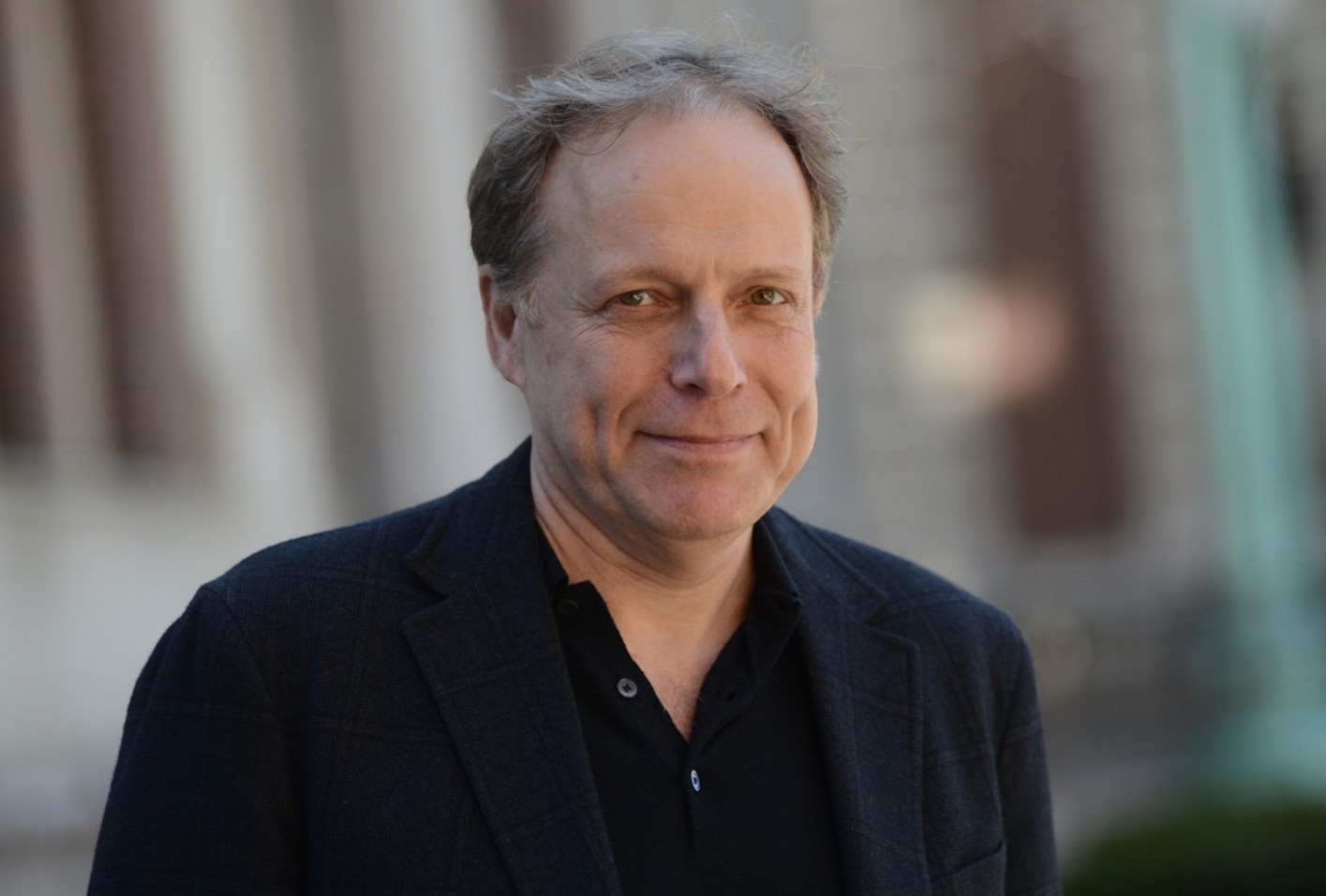
James Shapiro serves as the Larry Miller Professor of English and Comparative Literature at Columbia University, where he has taught since 1985. His distinguished academic career spans over three decades at one of the world's leading institutions, where he has established himself as a preeminent Shakespeare scholar with a focus on early modern literature and culture.
Shapiro's research interests encompass Shakespeare Drama, Theatre and Performance Studies, Poetry and Poetics, Renaissance/Early Modern Europe, Biography, and Jewish-Christian Relations. His scholarly approach combines meticulous historical research with insightful literary analysis, often focusing on the intersection of politics, religion, and theater in Shakespeare's time and reception history. This interdisciplinary methodology has allowed him to produce groundbreaking work that bridges academic scholarship and public intellectual discourse.
His notable awards include the Bainton Prize for Shakespeare and the Jews (1995), the BBC Samuel Johnson Prize for 1599: A Year in the Life of William Shakespeare (2005), the Lionel Trilling Award for Contested Will: Who Wrote Shakespeare? (2010), and the James Tait Black Prize for 1606: The Year of Lear (2015). He has been awarded fellowships by the Guggenheim Foundation, the NEH, the Cullman Center for Scholars and Writers, the Huntington Library, the American Academy in Berlin, and the American Academy in Rome. In 2011, he was inducted into the American Academy of Arts and Sciences.
Shapiro has made significant contributions beyond traditional academic publishing, including co-authoring and presenting a 3-hour BBC documentary, The King and the Playwright (2012). He serves as a Governor of the Folger Shakespeare Library, demonstrating his commitment to preserving and promoting Shakespeare scholarship. His recent work, particularly Shakespeare in a Divided America (2020) and The Playbook (2024), has focused on the contemporary political dimensions of Shakespeare reception in American culture, establishing him as a vital voice connecting historical scholarship with current cultural debates.