معرفی
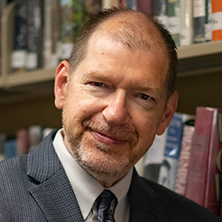
James J. Kimble is a Professor of Communication & the Arts at Seton Hall University, where he also serves as Program Director for the Museum Professions MA program. He is a historian, documentarian, and curator with a specialization in domestic propaganda, war rhetoric, and visual imagery, particularly focusing on the World War II era. His research has reached a worldwide media audience of over 1.2 billion people and has been featured in major outlets including the New York Times, Washington Post, London Times, NPR, Time magazine, and the Smithsonian.
Dr. Kimble's educational background includes a PhD from the University of Maryland. His scholarly work bridges academic research and public engagement, making historical insights accessible to broader audiences.
Kimble's research interests center on domestic propaganda, war rhetoric, and visual imagery. His work explores how visual communication shapes public understanding of historical events, particularly during wartime. He investigates the intersections of rhetoric, visual culture, and historical memory, with special attention to how propaganda influences national identity and collective memory. His scholarship demonstrates how visual imagery serves as both a historical document and an active agent in shaping cultural narratives.
His publications reveal a consistent focus on World War II home front propaganda, with particular attention to gender representations, visual rhetoric, and the creation of cultural icons. Kimble's work shows how propaganda campaigns created enduring images that continue to influence contemporary understandings of American history and identity.
- President's Award for Service to Students, Seton Hall University
Dr. Kimble has mentored numerous students through his teaching and research supervision. His courses include Propaganda, Religion, & War; Social Movements: Protests, Peace, & Pandemics; History of Rhetoric; and Leadership Communication Strategies. His teaching philosophy emphasizes the relevance of historical and rhetorical studies to contemporary citizenship and civic engagement.
He has established significant research partnerships, including collaborations with the Norman Rockwell Museum (where he served as guest curator for the 'Enduring Ideals: Rockwell, Roosevelt & the Four Freedoms' exhibition) and the University of Nebraska Press (where he founded the academic journal Home Front Studies). His documentary work, including 'Scrappers: How the Heartland Won World War II,' demonstrates his commitment to translating academic research into accessible public history formats.