معرفی
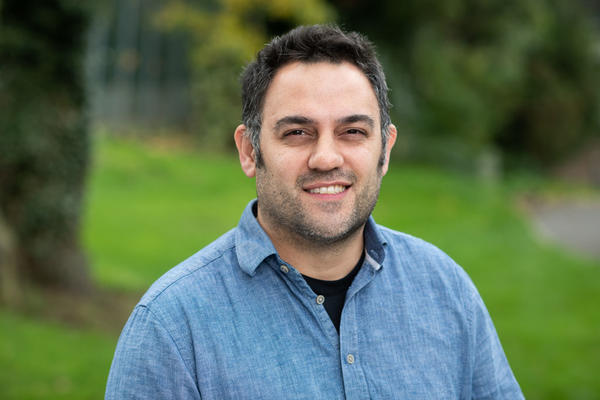
Jakub Wudarski serves as a Research Scientist at the University of Nevada, Reno within the Gulia-Nuss Lab, where he investigates stem cell dynamics and regenerative mechanisms using Macrostomum lignano flatworms and Ixodes scapularis ticks as model systems. His work bridges fundamental developmental biology with applied vector control strategies for tick-borne diseases.
His academic credentials include:
- Ph.D. in Molecular Biology from the European Research Institute for the Biology of Ageing, University of Groningen
- Pre-Master in International Business and Management from the University of Groningen
- Postgraduate Education Training in Forensic Science from the University of Warsaw
- Master of Science in Biotechnology from the University of Warsaw
Wudarski's research centers on Stem Cell Biology and Regeneration, with specialized expertise in transgenic model development and genome editing. He pioneered tissue-specific fluorescent marker systems in flatworms during his doctoral work and now extends these techniques to arthropod vectors. His current projects focus on embryonic development in ticks, heat-stress responses in retrotransposon regulation, and CRISPR-based approaches for vector control, demonstrating exceptional technical innovation in non-traditional model organisms.
Analysis of his 15 most recent publications (2018-2025) reveals three dominant research trajectories: (1) transgenesis tool development for M. lignano using piggyBac systems, (2) embryonic patterning studies in I. scapularis revealing syncytial organization mechanisms, and (3) stress-induced retrotransposon activation in regeneration models. These themes collectively advance regenerative biology while providing novel genetic strategies for combating vector-borne diseases.
Wudarski maintains active membership in the Gulia-Nuss Lab, contributing to its mission of understanding tick-pathogen interactions through cutting-edge molecular approaches. His professional development includes Coursera certifications in Cancer Biology, Genes and the Human Condition, Decentralized Finance, and Python programming, reflecting interdisciplinary engagement beyond core research activities.
No documented student advising relationships or research grants were identified in available materials.