معرفی
Irene C Cheng is Associate Professor and Chair of the Graduate Architecture Program at the California College of the Arts (CCA), where she contributes to architectural education and leadership. She is co-director of History Theory Experiments (HTX), a platform for advanced interdisciplinary research in architecture.
Her research investigates the intersections of architecture with culture, politics, and the environment, particularly in the 19th and early 20th centuries. Key themes include radical reform movements, utopian communities, abolitionism, socialism, and the racial dimensions of modern architecture. She explores how built environments reflect and shape social ideologies and power structures.
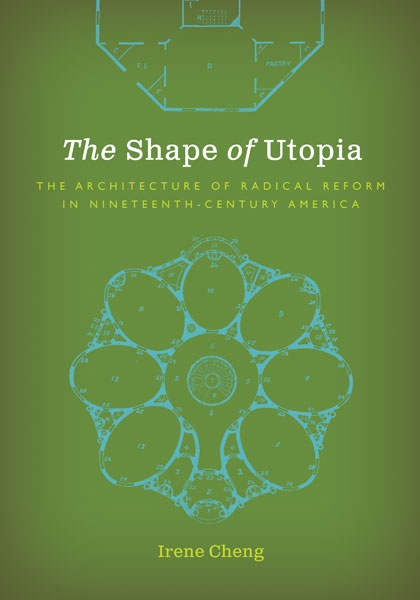
Cheng’s major publications include The Shape of Utopia: The Architecture of Radical Reform in Nineteenth-Century America (2023), Race and Modern Architecture: A Critical History from the Enlightenment to the Present (2020), and The State of Architecture at the Beginning of the 21st Century (2004). Her work demonstrates a strong commitment to critical historiography and social justice in architectural discourse.
She has received notable recognition including the ACSA Diversity Achievement Award and the AIA San Francisco Community Alliance Education Award. Her research has been supported by grants from the National Endowment for the Humanities, Graham Foundation, Whiting Foundation, and fellowships at the McDowell Colony and the McNeil Center at the University of Pennsylvania.
Cheng is a founding principal of Cheng+Snyder, a multidisciplinary design practice whose projects—such as the Museum of the Phantom City—have been exhibited internationally, including in the United States pavilion at the 2012 Venice Biennale. The firm’s work engages urban strategy, public art, and speculative design to provoke critical dialogue about cities and society.