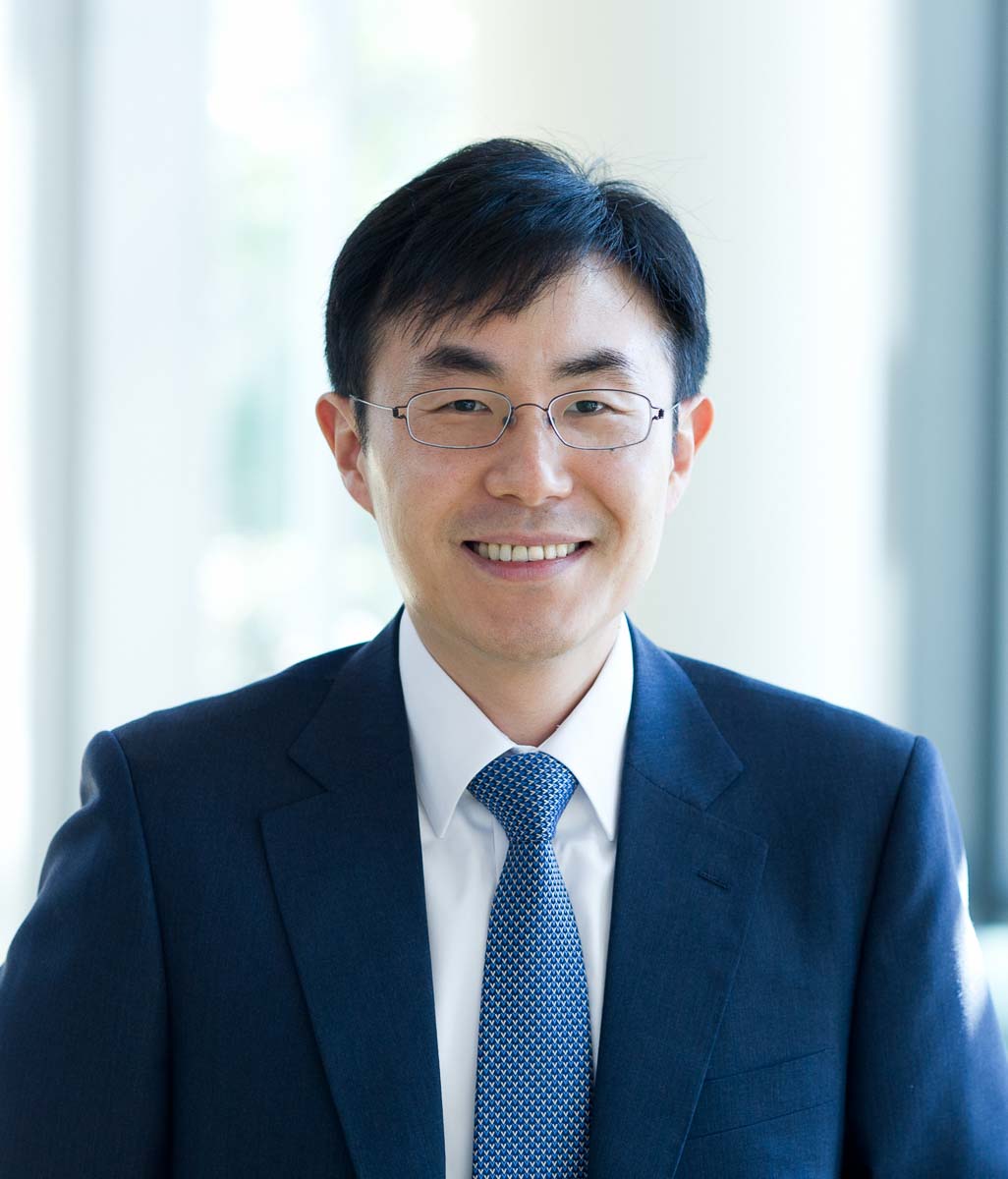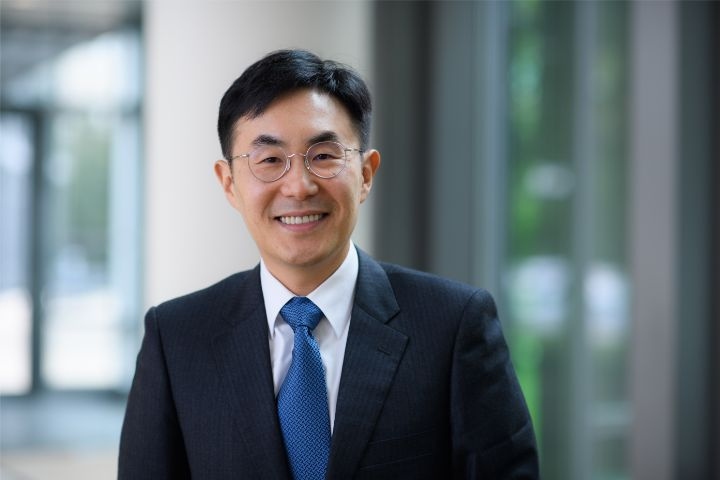
In Song Kim
دانشیار · International Political Economy
Massachusetts Institute of Technologyمعرفی
In Song Kim is an Associate Professor of Political Science at the Massachusetts Institute of Technology, where he has been teaching since 2014. He is a Faculty Affiliate of the Institute for Data, Systems, and Society (IDSS) and contributes to interdisciplinary research at MIT’s School of Humanities, Arts, and Social Sciences (SHASS). Kim focuses on leveraging Big Data and machine learning to analyze trade politics, lobbying dynamics, and causal inference in political economy.
- PhD in Politics from Princeton University (2014)
- Recipient of multiple scientific awards including the 2021 Levitan Prize, 2018 Michael Wallerstein Award, and 2015 Mancur Olson Award.
- Developed public databases: LobbyView.org (lobbying transparency) and TradeLab (granular trade data analysis).
Kim’s research centers on the intersection of international trade and political institutions, particularly how product-level trade policies and firm-level lobbying reshape democratic representation. His work combines quantitative methods, network analysis, and visualization techniques to study lobbying networks, campaign finance connections, and trade policy evolution.
The polnet R package and other software tools he developed enable statistical analysis of political networks through models like Latent Space Network Model (LSNM) and bipartite Link Community Model (biLCM). His publications appear in top-tier journals including the American Political Science Review, Annual Review of Political Science, and Political Analysis.
Kim’s recent projects examine:
- Trade Politics with Firms and Products (book manuscript analyzing 5.7 billion trade data points)
- Algorithmic tools for dimension reduction and network visualization in trade policy analysis
- TradeLab – a platform for granular product-level trade data
- Machine learning applications in legislative bill similarity and political preference estimation
His teaching spans graduate and undergraduate courses at MIT, including Machine Learning and Data Science in Politics (17.835) and Quantitative Research Methods IV (17.806), where he trains students in advanced statistical techniques and computational social science.