معرفی
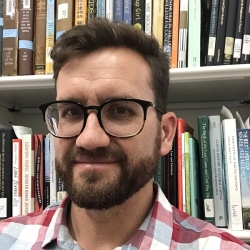
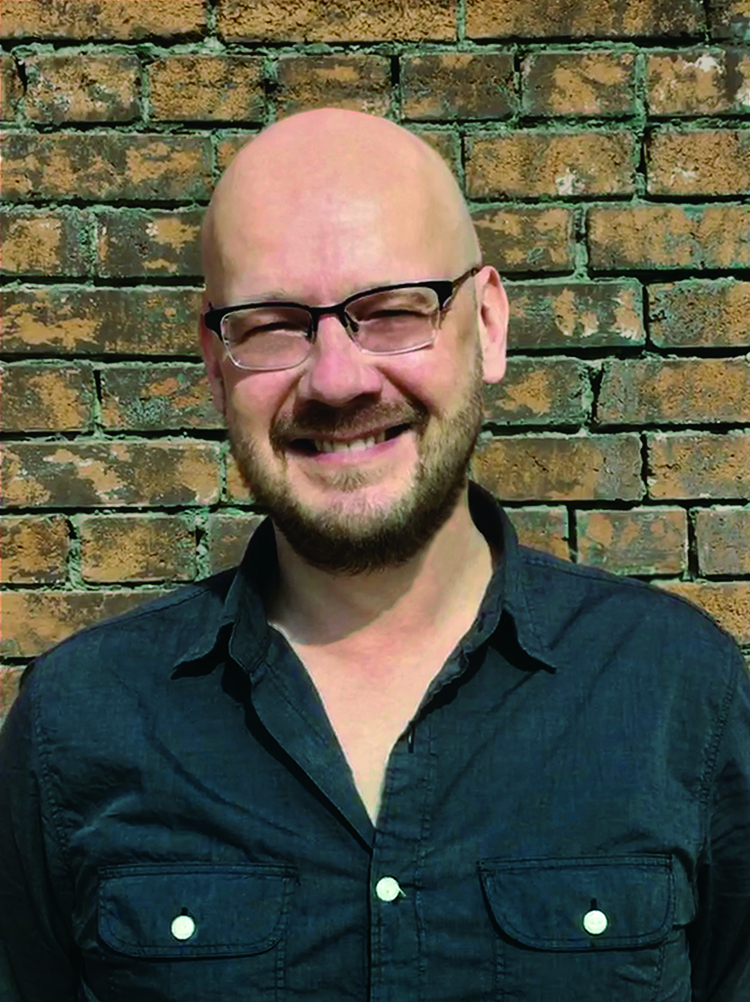
Hugh Stevens serves as Senior Lecturer in the Department of English Language and Literature at University College London (UCL), where he has been a core faculty member since 2002 after teaching at the University of York from 1995 to 2002. His academic journey began with foundational research at Trinity Hall, Cambridge following doctoral studies.
His educational background includes:
- Doctor of Philosophy from the University of Cambridge (1994)
- Master of Arts from the University of Auckland (1989)
- Bachelor of Arts from the University of Auckland (1986)
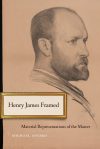
Stevens' research fundamentally explores intersections between literary production and sexual identity from the late nineteenth century to contemporary periods. Specializing in Henry James and D. H. Lawrence scholarship, he pioneered critical frameworks for analyzing queer aesthetics in modern literature through seminal works like Henry James and Sexuality (Cambridge University Press, 1998) and his editorship of The Cambridge Companion to Gay and Lesbian Writing (2010). His current trajectory extends into post-1940 LGBTQ fiction and Wagner-Lawrence interdisciplinary studies, maintaining rigorous engagement with how literary form mediates sexual subjectivity across historical contexts.
Publication trends reveal three decades of sustained innovation, evolving from early psychoanalytic readings of James to contemporary queer theoretical interventions in fiction. His work consistently bridges literary analysis with cultural anthropology and gender theory, demonstrating how sexuality operates as both thematic concern and structural principle in narrative construction across modernist and postmodern traditions.
No scientific awards are documented in available sources.
Stevens teaches comprehensive courses spanning nineteenth-century literature through contemporary theory, including specialized seminars on Literary Representation and the History of Homosexuality. His MA-level instruction features innovative modules connecting Modernism with sexuality studies alongside interdisciplinary explorations of Art History, Film, and Opera. While student supervision details remain unspecified, his pedagogical approach emphasizes the dynamic relationship between textual analysis and cultural power structures.
Research infrastructure details including laboratories or formal teams are not referenced in source materials.