معرفی
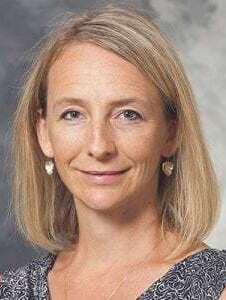
Dr Holly Wilkinson is a Lecturer in Wound Healing at the Hull York Medical School, University of Hull, where she conducts research within the Centre for Atherothrombosis and Metabolic Disease. Her work focuses on understanding the cellular and molecular mechanisms underlying impaired wound healing in elderly and diabetic patients.
Dr Wilkinson earned her BSc (Hons) in Zoology and MRes in Biological Sciences at the University of Manchester before completing an MRC iCASE PhD in wound healing at the University of Hull, where she received no corrections. She previously worked as a KTP associate developing wound models to test antimicrobial products.
Her primary research interests center on three major areas: determining the mechanistic drivers of senescence in poor wound healing, understanding the role of endogenous metals in diabetes, ageing and skin repair, and developing novel methods to tackle wound biofilm infection. She employs a range of methodologies including in vitro, ex vivo and in vivo wound models, RNA-Seq, ptychographic imaging, and metagenomics.
Analysis of her recent publications reveals a strong focus on cellular senescence, particularly in diabetic wounds, and the role of the skin microbiome in chronic wound pathology. Her work increasingly explores therapeutic interventions targeting senescent cells and microbial communities to accelerate tissue repair.
Dr Wilkinson has received multiple prizes for her outstanding achievements in wound healing research and has published numerous high-impact papers in the field of skin and wound biology.
She actively supervises multiple PhD and MSc students and collaborates with organizations including Diabetes UK, the British Skin Foundation, and the National Biofilms Innovation Centre. Her current projects focus on understanding why senescent cells cause poor wound healing and developing treatments to eliminate these cells, as well as creating selective antimicrobial therapies for skin infections.
Dr Wilkinson leads research within the Wound Innovation Centre and works closely with industry partners to translate academic findings into clinical applications that benefit patients.