

معرفی
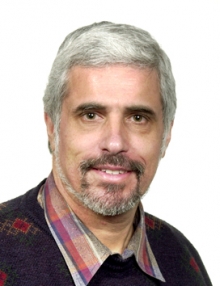
Hiroshi A Maeda is a Professor of Botany at the University of Wisconsin-Madison, Department of Botany within the College of Agricultural and Life Sciences. He has been at UW-Madison since August 2011, leading the Maeda Lab which focuses on plant metabolism research. His academic journey includes a Ph.D. from Michigan State University (2006), postdoctoral training at Purdue University (2007-2011), and master's and bachelor's degrees from Osaka University in Biotechnology.
Dr. Maeda's educational background includes a Ph.D. in Cell and Molecular Biology Program and DOE-Plant Research Laboratory from Michigan State University (2006), an M.S. in Biotechnology from Osaka University (2001), and a B.S. in Biotechnology from Osaka University (1999).
His research focuses on plant biochemistry and physiology, particularly aromatic amino acid biosynthesis and its regulation, nitrogen metabolism, enzyme evolution, and plant metabolic engineering. The Maeda Lab investigates the shikimate and aromatic amino acid pathways, which direct up to 30% of carbon fixed through photosynthesis to produce aromatic plant natural products such as flavonoids, alkaloids, and lignin. They combine biochemistry, molecular biology, genetics, analytical chemistry, and synthetic biology to study how plants control these metabolic pathways. The lab's mission is to explore and harness the biochemical diversity of plant primary metabolism to develop innovative solutions for combating climate change and building a sustainable society.
Analysis of Dr. Maeda's recent publications reveals a strong focus on understanding and engineering plant metabolic pathways, particularly those involving aromatic amino acids. His work spans fundamental research on enzyme evolution and metabolic regulation to applied synthetic biology approaches for enhancing the production of beneficial plant compounds. Key trends include investigating the complex regulation of the shikimate pathway, studying the evolution of alternative tyrosine biosynthetic routes, and developing strategies to boost production of aromatic compounds through metabolic engineering.
- Arthur Neish Young Investigator Award
- Elsevier Phytochemistry Young Investigator Award
- 2022 WARF Innovation Awards Finalist
Dr. Maeda has mentored numerous students at all levels, including undergraduate researchers, graduate students (Ph.D. candidates in Botany and Cell and Molecular Biology programs), and postdoctoral associates. His lab has received significant grant funding, including DOE BER grants, NSF PGRP grants, and USDA grants to investigate plant metabolic networks, evolutionary history of tyrosine-derived pathways, and metabolic engineering approaches. The Maeda Lab fosters a collaborative environment that brings together diverse students and scientists to unravel plant metabolism complexities, with a strong commitment to diversity, equity, and inclusion as driving forces for scientific exploration and growth.
The Maeda Lab maintains active research teams working on various aspects of plant metabolism, with current members including postdoctoral researchers like Jorge El-Azaz, graduate students like Soyoung Jung and Madelyn Schaut, and numerous undergraduate researchers. The lab participates in outreach activities such as 'Pigment-Art' events where children paint with natural pigments extracted from plants, connecting plant science with community education.
Hiroshi A Maeda در سایتهای دیگر
جستوجوهای مرتبط
شاید اینها هم برایتان مناسب باشند
 Gad GaliliMax Planck Institute of Psychiatry · استاد
 Tatjana HildebrandtMax Planck Institute for Plant Breeding Research · استاد
- JJohn MorganPurdue University · استاد
 Dudley LammingUniversity of Wisconsin-Madison · دانشیار
- KKasper HinzUniversity of Copenhagen · پژوهشگر ارشد
 Yan LuWestern Michigan University · استاد