معرفی
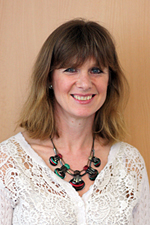
Professor Helen Wheadon is a Professor of Stem Cell Regulation at the Paul O'Gorman Leukaemia Research Centre, University of Glasgow. She is based at R323 Level 3, Leukaemia Research Centre, Gartnavel General Hospital, Glasgow. Her research focuses on understanding the mechanisms of stem cell regulation in leukaemia, particularly examining how the bone marrow microenvironment influences cancer progression and treatment resistance.
Professor Wheadon's research interests span multiple interconnected areas of leukaemia biology. She investigates the role of the bone morphogenic protein (BMP) pathway in chronic myeloid leukemia (CML) and how it contributes to stem cell persistence. Her work also examines the complex interactions between leukaemia cells and the bone marrow microenvironment, including how macrophages and other immune cells function within this niche. She has made significant contributions to understanding signaling pathways in leukaemia stem cells and developing therapeutic approaches targeting these mechanisms.
Her publication record demonstrates consistent research productivity with over 40 publications spanning more than two decades. The most recent work shows a continued focus on bone marrow microenvironment modeling, therapeutic approaches for leukaemia, and the cellular mechanisms underlying treatment resistance. Her research increasingly integrates computational approaches with traditional laboratory techniques, as evidenced by her work on scRNA-seq analysis.
Professor Wheadon has been involved in numerous significant research grants from major funding bodies including Cancer Research UK, Blood Cancer UK, Wellcome Trust, and the Engineering and Physical Sciences Research Council. These grants have supported her work on understanding chemo-resistance mechanisms in chronic myeloid leukaemia, engineering bone marrow niches, and developing novel therapeutic approaches.
She collaborates extensively with researchers across multiple institutions, particularly with Copland, Busch, and other colleagues at the University of Glasgow. Her work bridges basic science and clinical applications, with a clear focus on translating laboratory findings into potential therapeutic strategies for leukaemia patients.