معرفی
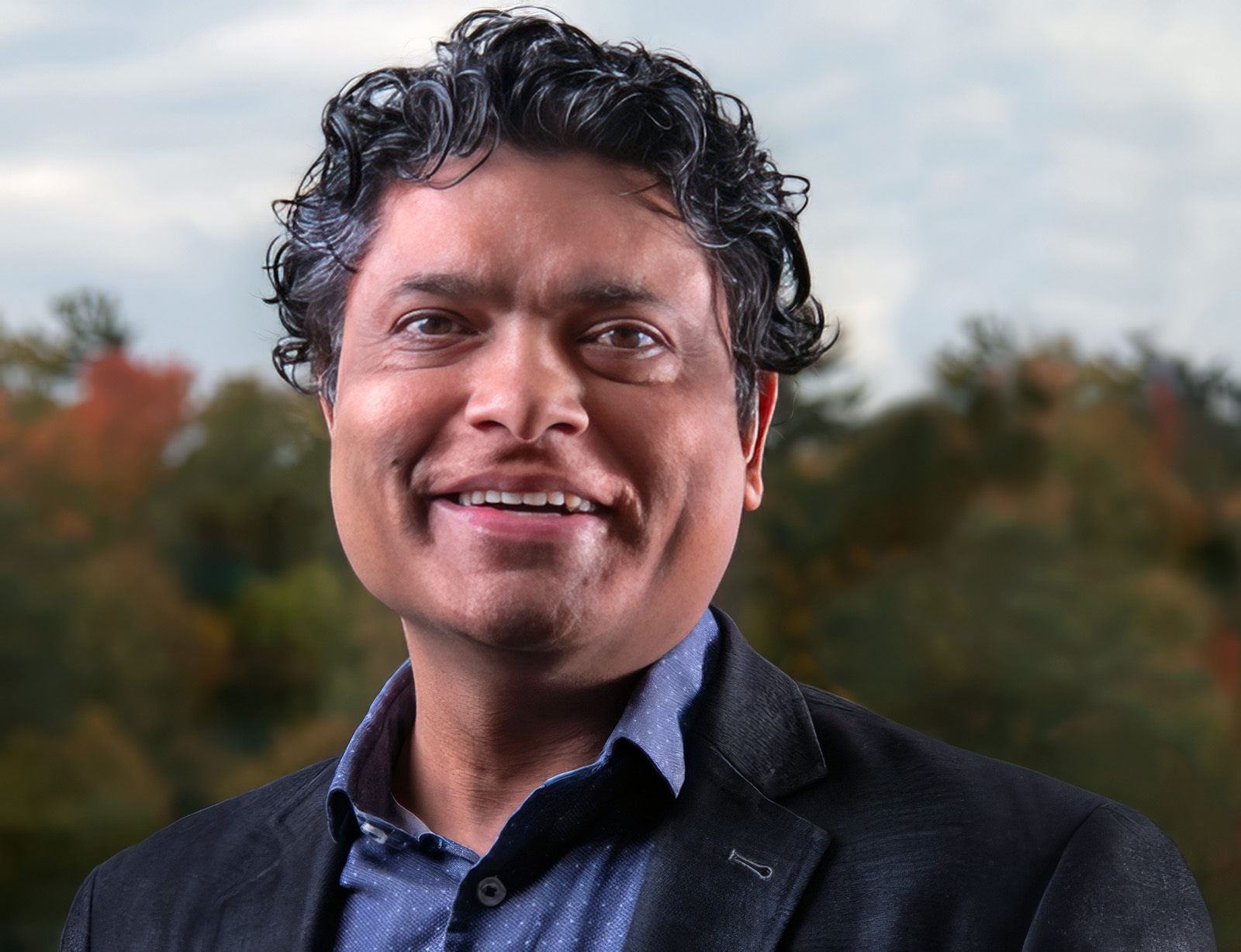
Hashmat U. Khan is a Professor in the Department of Economics at Carleton University, Ottawa, Canada. He also serves as Associate Vice-President (Academic Programs and Strategic Initiatives) and is Co-Director of the Centre for Monetary and Financial Economics (CMFE). His research focuses on macroeconomics, business cycles, monetary and fiscal policy, and DSGE modeling.
Education:
- B.A. from Shri Ram College of Commerce (SRCC)
- M.A. from Delhi School of Economics
- Ph.D. from the University of British Columbia (UBC)
His research interests center on macroeconomic dynamics, particularly the role of monetary policy, inflation environments, and structural frictions in driving business cycles. He specializes in Dynamic Stochastic General Equilibrium (DSGE) models, nominal and real frictions, and open-economy macroeconomics. His recent work assesses the impact of U.S. tax reforms on Canada, the role of collateral shocks, and the effectiveness of unconventional monetary policy.
The 15 most recent publications demonstrate a strong focus on empirical and theoretical macroeconomics, with recurring themes in monetary policy transmission, fiscal multipliers, household and firm behavior, and pandemic-related economic responses. His work frequently appears in top journals such as Journal of Money, Credit and Banking, Journal of Monetary Economics, and Canadian Journal of Economics.
Scientific Awards and Recognition:
- 2023 SSHRC Insight Development Grant
- 2020 Research Achievement Award
- 2019 SSHRC Insight Development Grant
Professor Khan has supervised Ph.D. students and collaborated extensively with scholars across North America. He has secured competitive research funding, including from SSHRC, to support his work on macroeconomic stability and policy evaluation. His research has practical implications for central banks and fiscal authorities, especially in open economies like Canada.
He is actively involved in the CMFE, where he contributes to research initiatives and mentorship. His team engages in quantitative modeling of macroeconomic phenomena, often using large datasets and structural models to inform policy.