معرفی
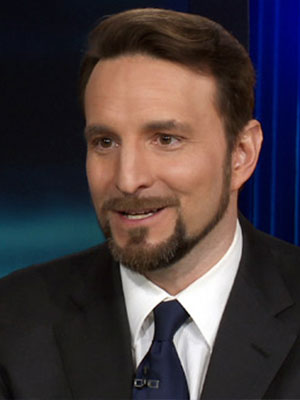
Gregory Wawro is a Professor of Political Science and Department Chair in the Faculty of Arts and Sciences at Columbia University. He specializes in American politics, legislative behavior, and political methodology, with a focus on Congress, the Senate, campaign finance, and judicial politics. He is actively affiliated with the Computational Social Science Committee.
Research Interests: Wawro’s research centers on legislative institutions, particularly how rules, procedures, and strategic behavior shape lawmaking in the U.S. Congress. His work on the filibuster and legislative entrepreneurship has had a major impact on the field. He combines formal modeling, historical analysis, and quantitative methods to study political institutions, party dynamics, and political economy. His methodological contributions include work in roll call analysis and ideal point estimation.
Publication Trends: His recent scholarly output spans legislative studies, judicial politics, and campaign finance, with a strong emphasis on institutional evolution and strategic behavior. The articles reflect a consistent focus on American legislative institutions, procedural rules, and the interplay between electoral incentives and lawmaking. Keywords across his work include legislative behavior, political economy, and political methodology.
- Richard J. Fenno Prize (2006) for best book in legislative studies
- E.E. Schattschneider Award
- Milton J. Esman Award
- CQ Prize for best paper at 2002 APSA Legislative Studies section
- Mellon Foundation Graduate Fellowship
- John M. Olin Faculty Fellowship
Advising and Grants: While no specific students are listed, as a full professor and department chair, Wawro likely advises doctoral and master’s students in political science. He has received prestigious fellowships from the Mellon and Olin foundations, supporting his research in political institutions and methodology. He has also been a visiting scholar at Harvard’s Center for Basic Research in the Social Sciences.
Labs and Teams: Wawro is affiliated with the Computational Social Science Committee at Columbia University, indicating engagement with data-driven and computational approaches to political science research.