معرفی
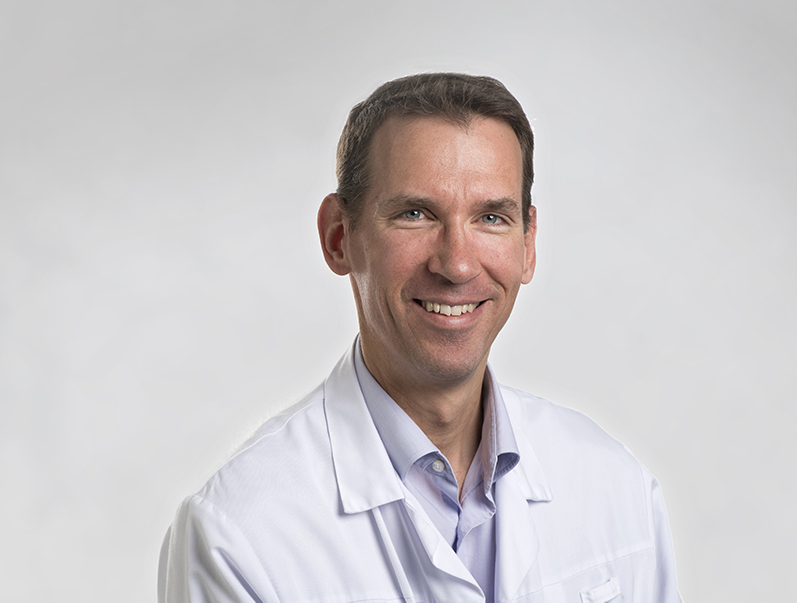
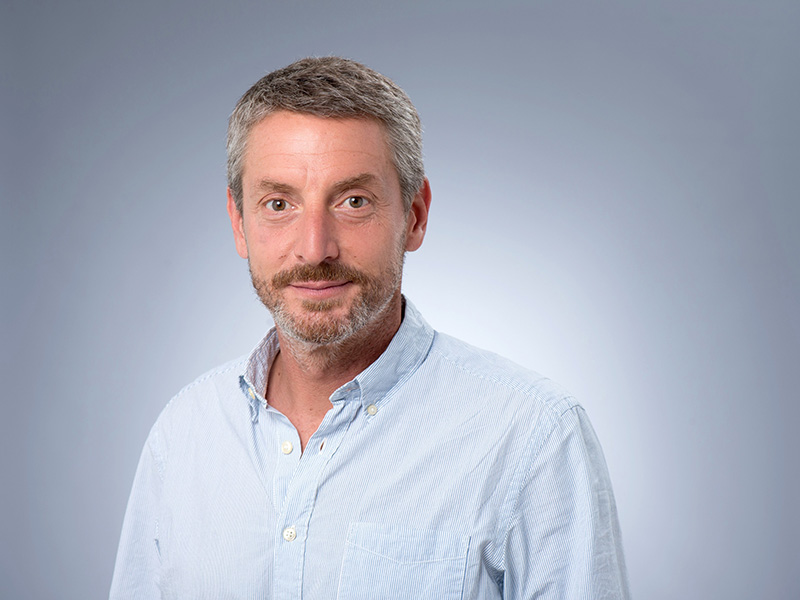
Gilbert Greub is a full professor at the Faculty of Biology and Medicine of the University of Lausanne (UNIL) and serves as chief physician responsible for the diagnostic sector at the CHUV Institute of Microbiology, a role he has held since September 1, 2011. His career bridges clinical medicine and cutting-edge research in microbiology and infectious diseases.
His research interests focus on the biology and pathogenesis of intracellular bacteria, particularly Chlamydia and related organisms. He has pioneered innovative methods such as amoebic co-culture for cultivating previously uncultivable pathogens, contributing significantly to the discovery of novel bacterial species linked to pneumonia and miscarriages. His work has established new benchmarks in microbial identification and laboratory diagnostics.
Throughout his career, Greub has been recognized with prestigious awards including the European Society of Microbiology and Infectious Diseases Prize (2006), the Viollier Prize (2010) for innovation in laboratory medicine, the Naef Prize (2010) for implementing the amoebic co-culture technique, and the Leenaards Prize (2011) for his research on chlamydial division mechanisms. He also holds several patents related to microbial identification and vaccine development.
- European Society of Microbiology and Infectious Diseases Prize (2006)
- Viollier Prize (2010)
- Naef Prize (2010)
- Leenaards Prize (2011)
Gilbert Greub has held leadership roles in professional societies, serving as vice-president of the European group studying intracellular bacteria and president of the international subcommittee on the taxonomy of Chlamydia. He has mentored students and junior researchers and has been actively involved in teaching and academic governance within the Faculty of Biology and Medicine. He led the Diagnostic Parasitology Laboratory at CHUV from 2007 and co-headed the Bacteriology Laboratory starting in 2009. Since 2004, he has participated in infectious disease consultations, specializing in rickettsioses, Q fever, bartonellosis, legionellosis, and Whipple’s disease.
He is affiliated with key research and diagnostic units at CHUV and UNIL, contributing to both fundamental science and clinical applications. His interdisciplinary work integrates microbiology, diagnostics, and public health, with ongoing impact on the understanding and management of emerging infectious diseases.