معرفی
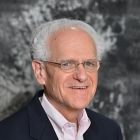
Dr. Gary E. Gibson is a Professor of Neuroscience with tenure at the Brain and Mind Research Institute, Weill Cornell Medicine, and Lab Director of the Laboratory for Mitochondrial Biology and Metabolic Dysfunction in Neurodegeneration at the Burke Neurological Institute. He holds an additional role as Associate Director of the Dementia Research Service. His academic journey includes a B.S. in Zoology and Chemistry from the University of Wyoming, a Ph.D. in Physiology from Cornell University, and postdoctoral training at UCLA. Dr. Gibson’s research focuses on neurodegenerative diseases, particularly Alzheimer’s, emphasizing mitochondrial dysfunction, metabolic pathways, and neuroenergetics.
His work spans translational studies on thiamine-based therapies, clinical trials (e.g., Benfotiamine in Alzheimer’s), and biomarker discovery via metabolomics and lipidomics. He has authored over 200 publications, holds three U.S. patents, and has been continuously NIH-funded since his tenure at Cornell/Burke. Dr. Gibson serves on numerous editorial boards, including Neurochemical Research, and has reviewed grants for the Alzheimer’s Association and NIH. He has trained many postdoctoral and undergraduate researchers in his lab.
Key research areas include the α-ketoglutarate dehydrogenase complex’s role in neurodegeneration, nutritional metabolism’s impact on cerebral bioenergetics, and mitochondrial protein modifications (e.g., succinylation, acetylation). His lab employs techniques such as calcium imaging, mass spectrometry, and cellular models to investigate Alzheimer’s pathophysiology and therapeutic targets.
Dr. Gibson’s contributions extend to clinical trials, notably the Phase IIa study on benfotiamine’s efficacy in slowing cognitive decline. His interdisciplinary approach bridges basic science, clinical research, and translational medicine, aiming to uncover metabolic and mitochondrial mechanisms underlying neurodegenerative diseases.
He has received the American Society for Neurochemistry’s Young Investigator Award and has been an invited speaker at institutions like Cornell and NIH. His leadership includes roles on Burke and Cornell committees, emphasizing collaborative, team-based research to address Alzheimer’s and related dementias.