معرفی
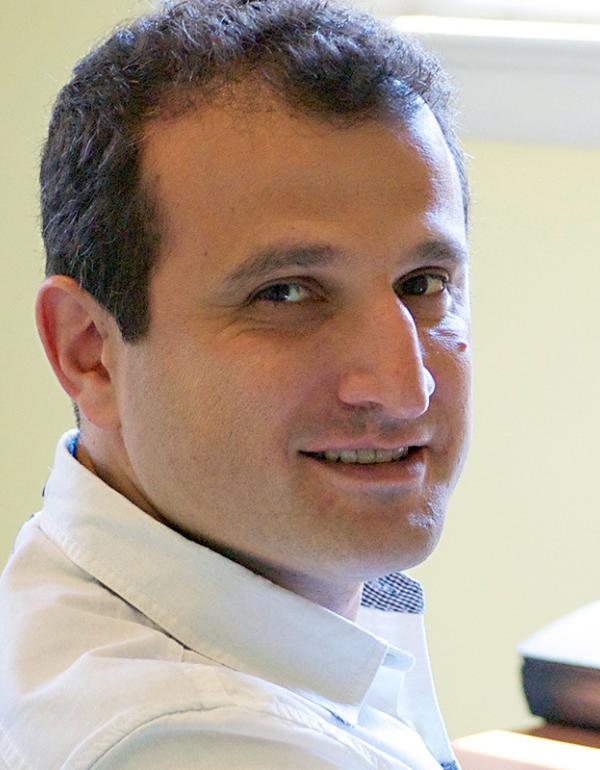
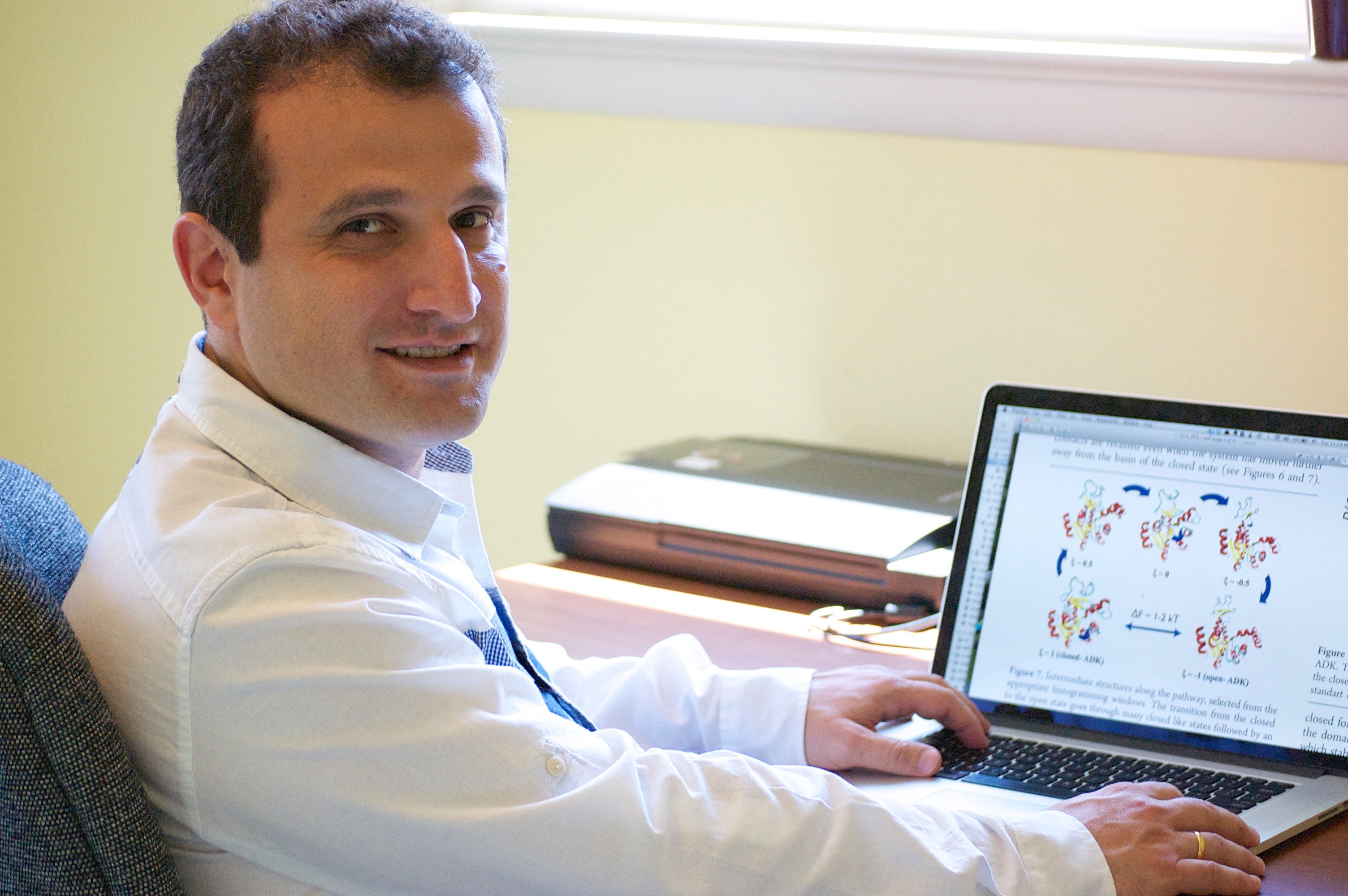
Garegin A. Papoian is the Monroe Martin Professor of Chemistry and Biochemistry at the University of Maryland, College Park. He leads the Papoian Lab, which focuses on theoretical and computational studies of biological processes at multiple scales, including chromatin structure, actomyosin networks, and cell motility. His work integrates advanced computational methods from statistical mechanics, polymer physics, and molecular modeling. Dr. Papoian holds appointments in the Department of Chemistry & Biochemistry and the Institute for Physical Science and Technology. He received his Ph.D. from Cornell University under Prof. Roald Hoffmann and has held roles at the University of North Carolina at Chapel Hill and other institutions.
Research Interests: The lab explores the physics of biological systems using mesoscopic and multiscale modeling approaches. Key areas include the mechanics of chromatin (nucleosome dynamics, histone variants), the biophysics of cytoskeletal networks (actomyosin contractility, filament organization), and the role of stochastic processes in cellular signaling. Recent work investigates how mechanical forces and chemical energy drive cell behavior, such as in cytoskeletal avalanches and mechanosensitive pathways.
Publications & Awards: Notable contributions include seminal studies on DNA rigidity (JACS 2011) and histone assembly (JACS 2014). He has authored over 150 peer-reviewed articles and holds awards like the Camille Dreyfus Teacher-Scholar Award (2008–2013) and the NSF CAREER Award (2009–2014). His team develops open-source tools like MEDYAN and AWSEM-MD for simulating complex biomolecular systems.
Lab & Collaborations: The Papoian Lab has trained numerous students and postdocs, many now leading academic/research positions worldwide. Collaborators include groups at UC San Diego, Cambridge University, and the Kavli Institute. Current projects address cancer-related chromatin plasticity, cytoskeletal criticality, and mechanistic models of axon guidance.