معرفی
Professor Gail Davies is a leading scholar in human geography at the University of Exeter, where she holds the position of Professor of Human Geography and serves as Director of Research and Impact for Human Geography. Her work bridges human geography, science and technology studies, and animal studies, with a focus on the spatial, ethical, and social dimensions of biomedical research involving animals.
Her research centers on the geographies of science and technology, human and animal health, and the ethics and practices of animal research. She has pioneered interdisciplinary approaches to understanding laboratory animal research, particularly through the lens of the 3Rs (replacement, reduction, refinement), patient involvement, and translational science. Her work emphasizes the relational and spatial complexities of scientific practice.
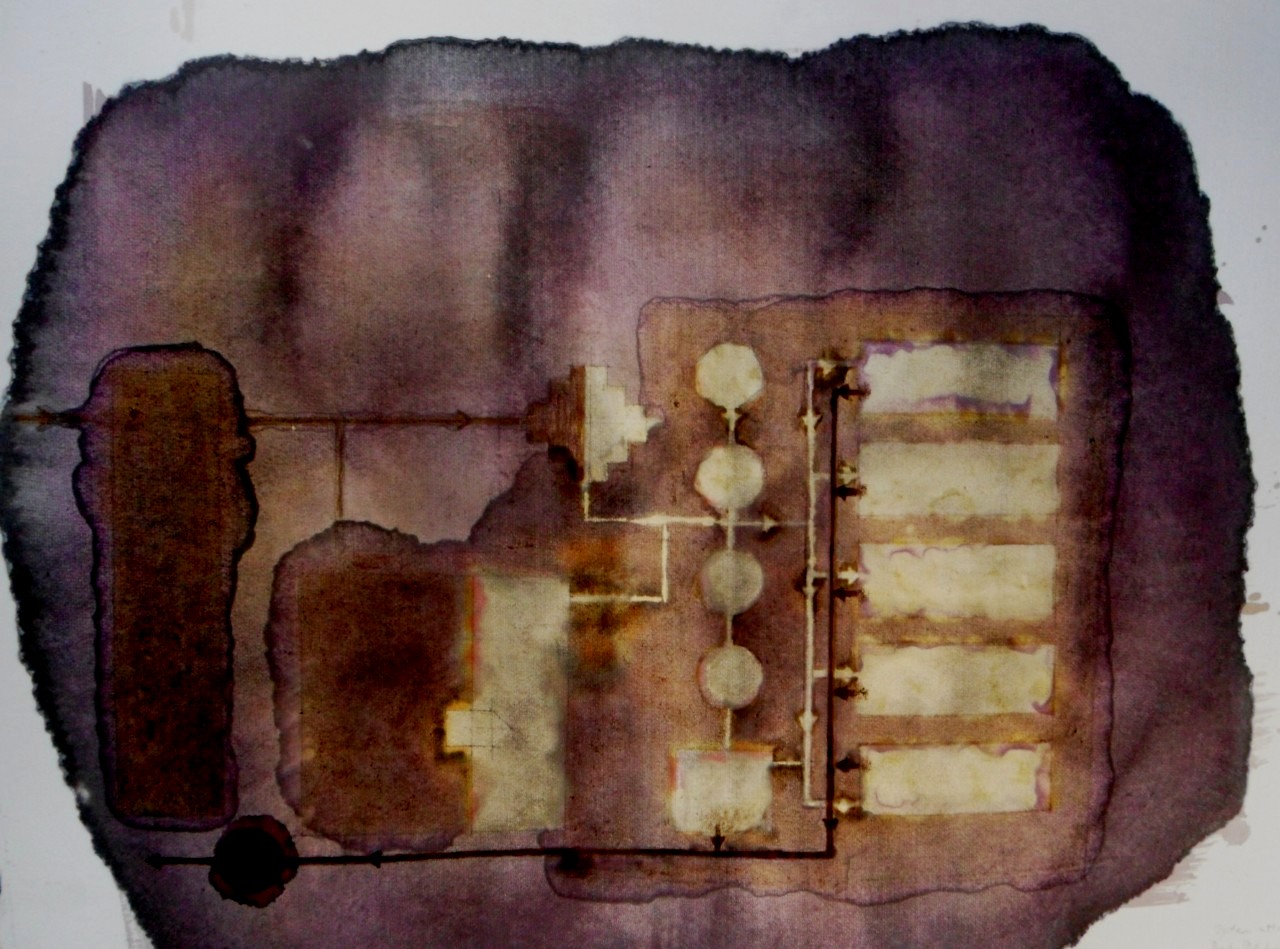
Gail led the Wellcome Trust-funded 'Animal Research Nexus' programme (2017–2023), a major collaborative project involving researchers from Oxford, Nottingham, Manchester, and Southampton, which explored the changing constitution of science, health, and animal welfare. She is currently collaborating on the 'Resisting Bodies' project (2020–2024) with the University of Oslo, examining immune system politics across human and animal domains. She has also worked with artist Helen Scalway on the micespace project, creating experimental visualizations of the spaces occupied by laboratory mice.
Her research has informed national and international policy, including contributions to the Swiss National Science Foundation’s 3Rs framework and leadership of the UK Harm-Benefit Analysis Review. She is affiliated with the Wellcome Centre for Cultures and Environments of Health and the Microbes and Society @Exeter network.
- Chair, UK Review of Harm-Benefit Analysis in the Use of Animals in Research
- Lead contributor to Enhancing the 3Rs for the Swiss National Science Foundation
Gail Davies has played a significant role in shaping interdisciplinary research on animal research ethics and public engagement. She mentors early-career researchers and collaborates widely across institutions and disciplines. Her work integrates creative and critical methodologies, including artistic collaborations, to challenge conventional scientific narratives. She has no known grants listed beyond the named projects, but her leadership roles suggest active grant management and supervision.
She is involved in the micespace project, a long-term artistic and geographical collaboration with Helen Scalway (2010–2020), which functions as a speculative 'anti-archive' of laboratory mouse spaces, exploring the messiness and complexity of biomedical research environments.
حوزههای پژوهشی