معرفی
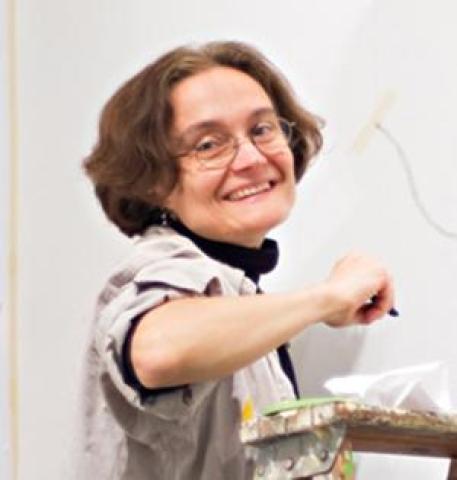
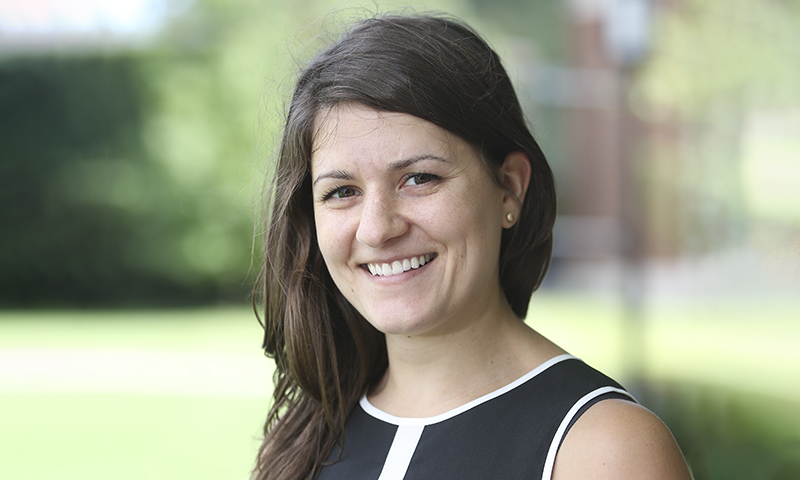
Gabriella D'Angelo is an Associate Professor of Art and Architecture at Hobart and William Smith Colleges, where she has been a faculty member since 2010. She is based in Geneva, NY, and teaches courses in architectural design, digital studio, and three-dimensional design. Her academic and creative work is deeply rooted in interdisciplinary practice, public engagement, and socially responsive design.
- Education: M.Arch II, The Cooper Union; M.Arch and B.S.Arch, University at Buffalo, SUNY
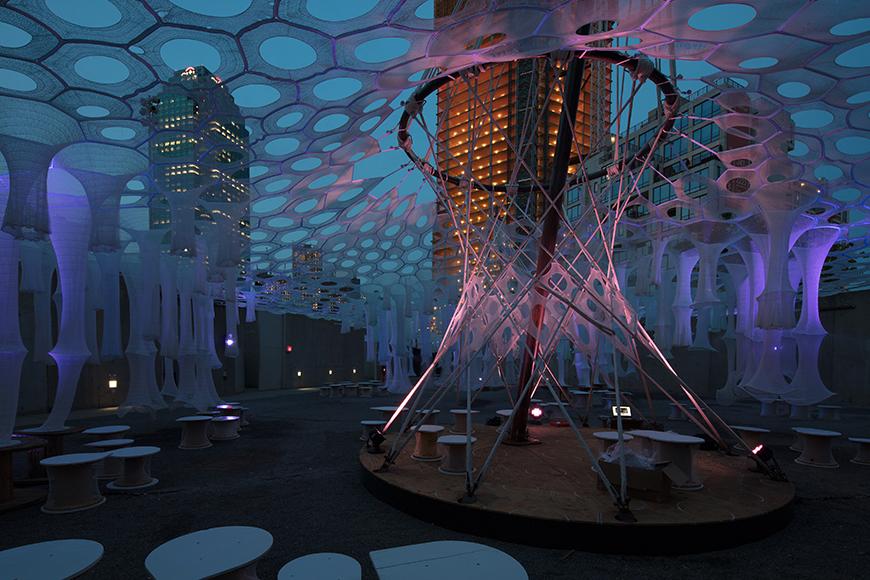
Her research and practice span architecture, art, and activism, with a strong emphasis on community collaboration and spatial justice. Projects such as Sound Gardens, Winter Funscapes, and Ambos Gardens reflect her commitment to transforming public spaces into platforms for dialogue, play, and political reflection. She explores themes of borders, migration, environmental crisis, and education through kinetic installations, wearable architecture, and temporary interventions.
The 15 most recent projects, including The Line North, Garmitecture, and Photic Zone, reveal a consistent focus on interactivity, material experimentation, and social responsibility. These works blend art and architecture to address contemporary issues such as human rights, ecological sustainability, and civic participation. Her installations often incorporate sound, light, and movement, creating immersive environments that invite public engagement.
While no formal scientific awards are listed, her work has been supported by public funding such as NYSCA’s Decentralization Program. She collaborates frequently with artists, students, and community organizations, underscoring her role as an educator and facilitator.
- Email: dangelo@hws.edu
- Personal Homepage: Available (link not specified)
She advises student research and leads design-build initiatives with local youth and organizations. Her studio practice includes leadership in projects like Geneva Gardens Playscape and Pop-Up 14456, which empower communities through participatory design. She is involved in multiple collaborative labs and teams, including partnerships with sculptors, biologists, and urban planners.