معرفی
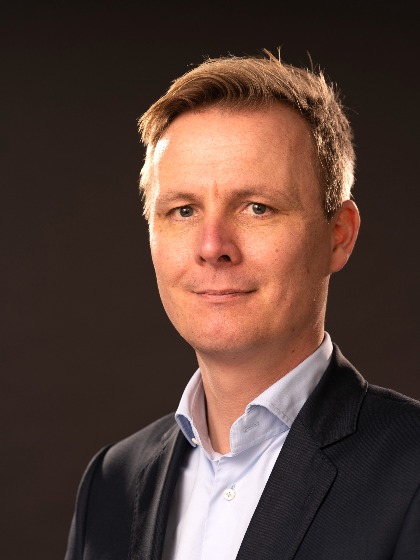
Professor G Meynen serves as Full Professor of Moral and Political Philosophy at Vrije Universiteit Amsterdam's Faculty of Social Sciences and Humanities, where he also coordinates the Philosophy, Bioethics, and Health MA program. He concurrently holds a position as Professor of Forensic Psychiatry at Universiteit Utrecht since 2018 and maintains clinical roles at GGZ Centraal and advisory positions at NIFP.
His research focuses on the ethical and philosophical dimensions of forensic psychiatry, particularly examining intersections between neuroscience, law, and ethics. Meynen's work prominently addresses questions of legal insanity, criminal responsibility, free will, neurotechnology applications, and informed consent in forensic contexts. His fingerprint analysis reveals strong engagement with topics including Informed Consent (100%), Free Will (80%), Forensic Psychiatry (65%), Mental Illness (60%), Neurotechnology (60%), and Criminal Responsibility (60%).
Meynen's recent publications demonstrate a growing interest in emerging technologies within criminal justice, with significant contributions to the fields of neurorights, AI applications in forensic mental health, and neurotechnology ethics. His work shows a clear trajectory toward examining how technological advances challenge traditional legal and ethical frameworks in forensic psychiatry.
- Aanmoedigingsprijs Stichting Koningsheide (2009) for his article on free will in forensic psychiatry
- Principal Investigator for NWO Vici Project: 'Targeting the offender's brain. A unified normative framework for the evaluation of neurotechniques in criminal justice' (VI.C.201.067)
- Associate editor for Frontiers in Psychiatry (forensic psychiatry section)
- Chair of the Scientific Advisory Board of NIFP
Meynen actively supervises PhD students (4 theses completed) and has developed courses including 'Philosophy of Mind, Life and Death' and 'Practical Training Philosophy, Bioethics and Health.' He regularly organizes symposia on forensic psychiatry and serves in editorial capacities for publications like Sancties. His research group maintains strong international collaborations, with work referenced in policy sources and picked up by numerous news outlets.