معرفی
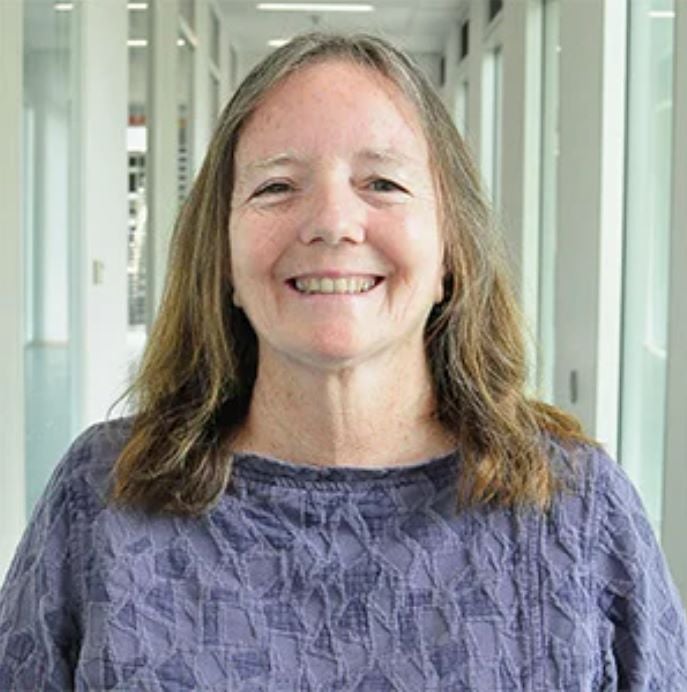
Fritzi Grevstad is an Assistant Professor (Senior Research) in the Department of Botany and Plant Pathology at Oregon State University, affiliated with the College of Agricultural Sciences. Her research is centered at the Richardson Hall Quarantine Facility, where she leads studies on classical biological control of invasive weeds such as knotweeds (Fallopia spp.) and gorse (Ulex europaeus). She works with insect agents collected from native ranges to assess host specificity and efficacy for safe field release.
Her research interests include:
- Population and invasion ecology
- Plant-herbivore interactions
- Biological control of invasive plants
- Phenology and photoperiodism in introduced insects
- Modeling climatic suitability and phenological mismatch
- Optimization of biocontrol release strategies
The trends in her recent publications show a strong focus on the integration of ecological modeling with empirical studies in biological control. Her work emphasizes the importance of phenological alignment between biocontrol agents and host plants, particularly under climate change. She investigates genetic variation among biocontrol populations, host specificity testing, and long-term impacts of agent releases. Much of her research involves collaborative modeling tools like DDRP for real-time pest forecasting.
Although no specific scientific awards are mentioned in the provided text, her extensive publication record in high-impact journals such as Ecological Applications, Biological Control, and Global Change Biology reflects significant scholarly contributions. She has authored technical petitions for field release of biocontrol agents, extension publications for practitioners, and book chapters summarizing national biocontrol programs.
Dr. Grevstad advises on the biology and implementation of biocontrol programs, with a history of collaborative grants and research projects involving agencies like the USDA Forest Service and Department of Defense. Her work includes developing decision-support tools and models for weed biocontrol on federal lands. She has co-authored multiple technical reports and petitions submitted to the Technical Advisory Group on Biological Control of Weeds, indicating active grant-funded and regulatory-engaged research.
She leads a research team focused on invasive species management, working closely with entomologists, modelers, and quarantine specialists. The team conducts both laboratory and field studies, particularly within the Richardson Hall Quarantine Facility at OSU, to ensure safe and effective development of biological control programs.