

معرفی
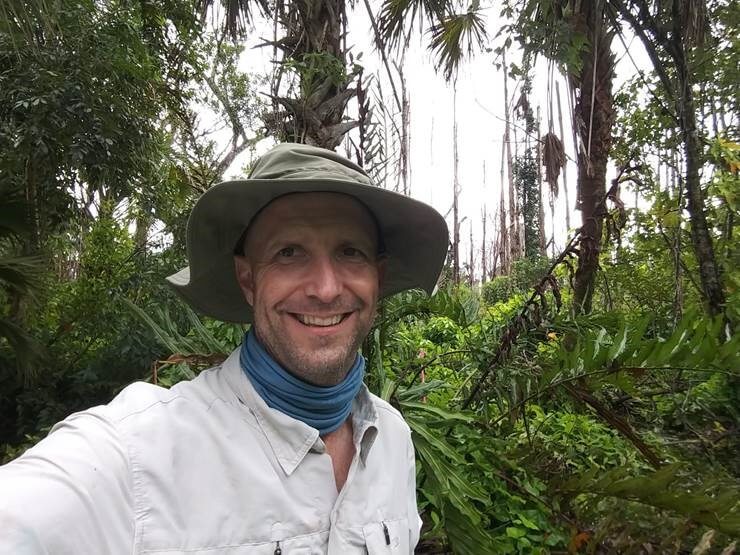
Carey R. Minteer serves as an Associate Professor specializing in weed biological control within the Entomology and Nematology Department at the University of Florida's Institute of Food and Agricultural Sciences (UF/IFAS) Indian River Research and Education Center in Fort Pierce, Florida. With extensive expertise in biological control of invasive aquatic and terrestrial plants, Dr. Minteer's work focuses on developing sustainable management strategies for problematic invasive species through the use of specialized insect agents.
Dr. Minteer's research interests center on biological control of invasive weeds, particularly aquatic species such as water hyacinth, hydrilla, and Brazilian peppertree. Her work examines the ecology, host specificity, and effectiveness of various biological control agents including weevils, moths, and other insects. She investigates how these agents can be integrated with other management approaches to develop comprehensive control strategies that reduce reliance on chemical herbicides while protecting native ecosystems. Her research spans laboratory studies, field evaluations, and practical implementation of biological control programs across Florida's diverse aquatic environments.
Analysis of Dr. Minteer's publication record reveals a consistent focus on biological control of invasive aquatic plants, with particular expertise in water hyacinth management systems. Her work demonstrates how multiple biological control agents can work synergistically to suppress invasive plant populations, with notable contributions to understanding the interactions between different weevil species and their target plants. She has extensively documented the life cycles, host ranges, and environmental limitations of various biological control agents, providing critical information for their effective deployment in integrated management programs.
Dr. Minteer has been instrumental in developing protocols for the safe introduction and monitoring of biological control agents in Florida's delicate ecosystems. Her work emphasizes the importance of rigorous host specificity testing to ensure that introduced agents do not pose risks to non-target native species. She has contributed significantly to the understanding of how environmental factors such as temperature and nutrient availability influence the effectiveness of biological control agents in the field.


.jpg)
