
معرفی
Prof. Dr. Frank Spinath is a Professor in the Department of Psychology at Saarland University, where he leads the research unit for Differential Psychology and Psychological Diagnostics. His work focuses on understanding individual differences in psychological traits through large-scale longitudinal twin studies. He is a principal investigator in major research projects such as TwinLife, ChronoS, KoSMoS, and Qualis, which explore behavioral genetics, personality development, educational outcomes, and teaching quality.
- University: Saarland University
- Department: Department of Psychology
- Research Unit: Differential Psychology and Psychological Diagnostics
- Key Projects: TwinLife, ChronoS, KoSMoS, Qualis, Wikom-SoWi
His research is deeply rooted in behavioral genetics and psychometrics, aiming to disentangle genetic and environmental influences on human behavior, cognition, and well-being across the lifespan. The studies often use twin-family designs to analyze interindividual differences in areas such as education, career, health, and social integration.
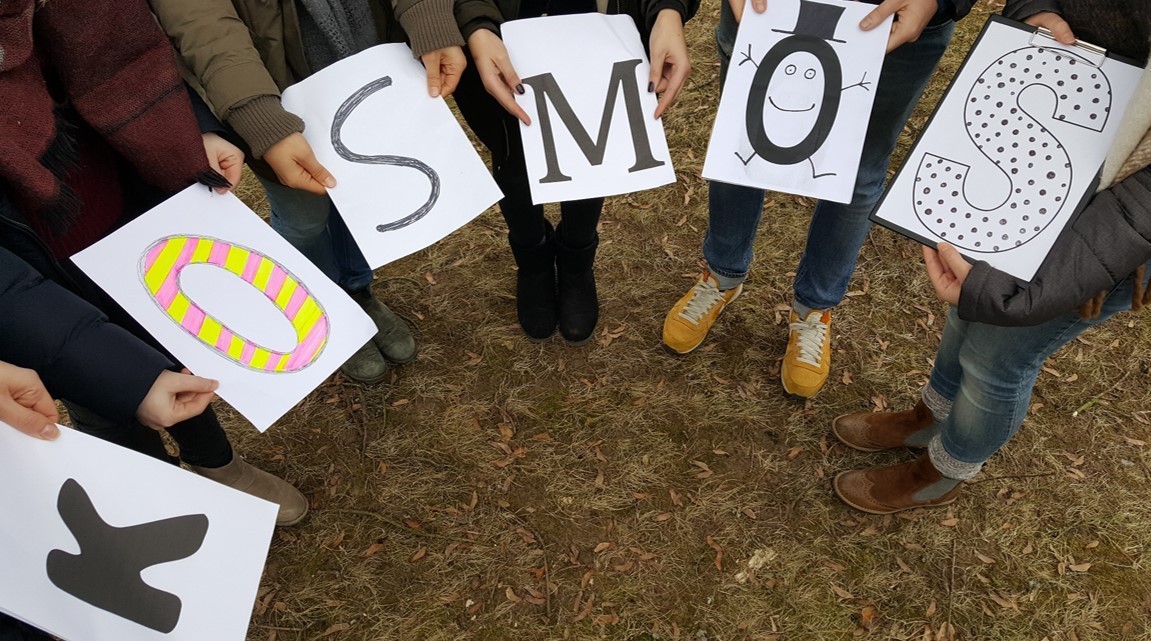
The project TwinLife, one of the most comprehensive longitudinal twin studies in Germany, tracks over 4,000 twin pairs and their families since 2014, examining social inequality through six domains: education, employment, social participation, quality of life, health, and deviant behavior. Data from five household surveys, four telephone interviews, and four pandemic-related surveys are now available in version 9.0.0. ChronoS, conducted with the University of Trier, investigates chronotype, personality, and life satisfaction, emphasizing the role of internal biological clocks. KoSMoS studied cognitive and motivational influences on school performance in children, while Qualis is a long-running teaching evaluation initiative supporting course assessments across the university.
Prof. Spinath’s scientific contributions span psychological diagnostics, questionnaire development, and methodological innovation in social sciences. His work supports evidence-based improvements in education and policy. He also contributes to projects like Wikom-SoWi, which models scientific competence in social sciences, and Wege in Deutschland, which examines integration pathways for refugees through non-cognitive and personality factors.
- Research Areas: Behavioral Genetics, Personality, Intelligence, Motivation, Chronotype, Educational Psychology, Psychometrics
- Methodologies: Twin Study Design, Longitudinal Analysis, Survey Research, Psychometric Validation
He advises students and researchers, leads funded research teams, and collaborates with institutions including Bielefeld University, University of Trier, Heidelberg University, and Mannheim University. Though specific awards and publications are not listed in the text, his leadership in nationally funded projects (e.g., by DFG and BMBF) indicates a high level of academic recognition.


