معرفی
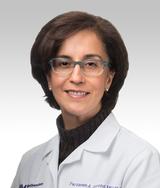
Dr. Farzaneh Sorond serves as Professor of Neurology and Vice Dean for Faculty Affairs at Northwestern University's Feinberg School of Medicine, holding dual appointments in Stroke and Vascular Neurology and Neurocritical Care divisions. A board-certified vascular neurologist and neurointensivist, she directs research on vascular contributions to brain aging and cognitive decline.
Her educational background includes:
- BS in Biochemistry and Biophysics, University of Houston
- MD and PhD, Baylor College of Medicine (1995)
- MMSCI, Harvard-MIT-Pfizer (2001)
- Neurology Residency, Harvard Medical School (1999)
- Stroke/Neurocritical Care Fellowship, Brigham & Women's Hospital (2001)
Dr. Sorond's research pioneers understanding of cerebral small vessel disease and neurovascular coupling in aging. Her work demonstrates how white matter lesions drive cognitive/mobility decline, while identifying compensatory mechanisms in resilient individuals. Key foci include:
- Vascular Cognitive Impairment and Dementia (VCID)
- Neurovascular aging biomarkers
- Interventions for vascular brain health
- Health disparities in stroke outcomes
Her 2025 publications reveal accelerating momentum in vascular cognitive research, with emphasis on biomarker development, CHIP's role in cerebromicrovascular aging, and preventive neurology frameworks. Collaborative workshop proceedings dominate her recent output, highlighting leadership in the Albert Research Institute.
Award highlights:
- Beeson Scholar (NIA-AFAR, 2008)
- CITP Fellow (Harvard-MIT-Pfizer, 1999)
- NIH National Research Service Award (1991)
In faculty development leadership since 2015, she has expanded mentorship infrastructure across Feinberg while maintaining active clinical practice in vascular cognitive neurology. Her NU-LEAP program cultivates emerging faculty leaders through structured career development.
Dr. Sorond operates within Northwestern's neuroscience ecosystem through the Mesulam Center for Cognitive Neurology and Alzheimer's Disease and the Institute for Augmented Intelligence in Medicine, driving interdisciplinary approaches to vascular brain disorders.