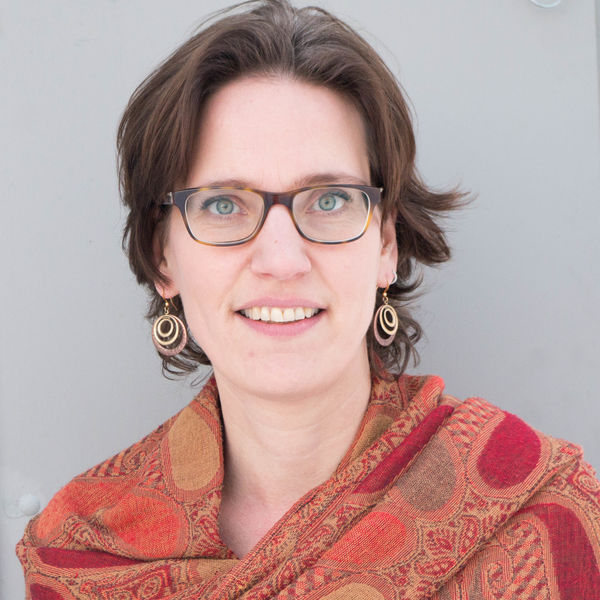
Eva-Clarita Pettai
پژوهشگر · Comparative Politics of History and Memory
Friedrich Schiller University Jenaمعرفی
Eva-Clarita Pettai is a Researcher at the Imre Kertész Kolleg Jena since 2017. She previously served as editor of the Cultures of History Forum until 2023, focusing on the research area “History in the Public Sphere.” Her work examines democratization, memory politics, and transitional justice in post-communist Europe, particularly in the Baltic states. She holds a PhD in Political Science from the Free University of Berlin and has held adjunct lecturer roles at institutions like the University of Potsdam and the Johan Skytte Institute of Political Studies in Tartu. Her research explores how Baltic states’ 20th-century histories are contested across domestic and transnational contexts.
- Education: PhD in Political Science (Free University Berlin, supported by Evangelisches Studienwerk e.V. Villigst)
- Key Roles: Senior researcher at University of Tartu’s Johan Skytte Institute, project manager for EUSTORY, and director of their PhD Program in Political Science.
Her research interests emphasize comparative analyses of historical memory, pan-European memory dynamics, and legal frameworks governing historical narratives. Notable contributions include her monograph *Transitional and Retrospective Justice in the Baltic States* (2015), awarded the Baltic Assembly Prize. She has coordinated international research networks (COST, H2020) and served on editorial boards for journals like Journal of Baltic Studies and book series with Tartu University Press.
Her work bridges academia and public engagement, analyzing how historical debates shape policy, education, and transnational relations in Central and Eastern Europe. Current projects focus on transnational anticommunist activism and the globalization of memory politics.
- Grants & Networks: Led projects funded by Nordplus Neighbour, coordinated EU-funded initiatives, and advised the Stiftung Adam von Trott zu Solz.
- Awards: 2015 Baltic Assembly Prize (for contributions to scholarship).
She is affiliated with institutions like the Association for the Advancement of Baltic Studies (AABS) and the Baltic Historical Commission (BHK), furthering interdisciplinary dialogue on historical memory and justice.