معرفی
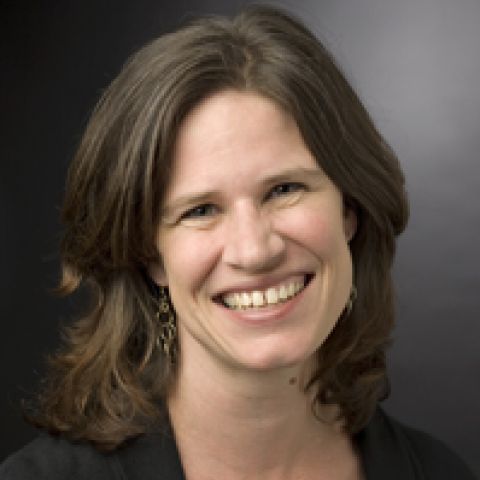
Eunsil Oh is an Assistant Professor in the Department of Sociology at the University of Wisconsin-Madison with cross-appointment relevance to Asian Languages and Cultures. Her research employs qualitative methodologies to investigate gendered work-family dynamics and cultural transformations in East Asia, particularly focusing on South Korea's low fertility crisis and structural barriers faced by working parents.
Her academic foundation includes:
- Ph.D. in Sociology, Harvard University (2018)
Oh's research program centers on Gender, Work, and Family within East Asian contexts, examining how cultural norms intersect with institutional structures to shape decision-making. She investigates maternal employment expectations, overwork culture, parental leave utilization, and fertility patterns among highly educated populations, with particular attention to how rapid social change influences gender role expectations in Korean society.
Her publication record demonstrates consistent scholarly impact through comparative analyses of East Asian work-family systems, with recurring themes including the valuation of domestic labor, compensatory work devotion strategies, and the relationship between maternal education and childrearing practices. This body of work bridges sociology, demography, and gender studies, frequently employing in-depth qualitative approaches to uncover nuanced cultural mechanisms.
Oh's contributions have been recognized through prestigious honors:
- 2024 Article of the Year Award, Family Section, American Sociological Association
- Finalist for the 2020 Rosabeth Moss Kanter Award for Excellence in Work-Family Research
- Graduate Student Award, RC28, International Sociological Association
- Graduate Student Award, Association of Korean Sociologists in America, ASA
Within the department, Oh mentors graduate students through specialized seminars including 'Feminist Theory and Practice' and 'Training Seminar in Gender Research,' while teaching undergraduate courses on gender sociology and East Asian social change. Her research is institutionally supported through affiliations with key centers rather than externally listed grants.
Oh actively collaborates with the Center for Demography & Ecology and the Center for East Asian Studies at UW-Madison, leveraging these interdisciplinary hubs for demographic analysis and regional expertise in her investigations of East Asian family systems.