معرفی
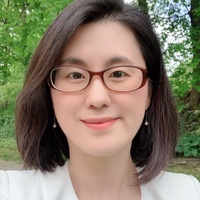
Dr. Eunchai Kang is a Lecturer at the University of Aberdeen's School of Medicine, Medical Sciences & Nutrition, conducting research at the Institute of Medical Sciences. With expertise in neuroscience and developmental biology, Dr. Kang investigates fundamental mechanisms of brain development and their implications for neurodevelopmental disorders. His work bridges basic science with clinical applications, utilizing advanced techniques to understand neural development processes.
Dr. Kang's educational background includes:
- BSc in Biological Science from Korea Advanced Institute of Science and Technology (KAIST)
- PhD in Human Genetics Graduate Program from Johns Hopkins University School of Medicine
Dr. Kang's research primarily focuses on neuroscience, developmental biology, and tissue engineering. His work investigates molecular and cellular mechanisms underlying brain development, particularly examining how genetic and environmental factors influence neurogenesis and neural circuit formation. Key areas include anesthetic-induced neurotoxicity, maternal immune activation effects on fetal brain development, and using brain organoid models to study neurodevelopmental disorders and neurodegenerative diseases. His research integrates advanced techniques including single-cell RNA sequencing, 3D brain models, and stem cell-based approaches to unravel complex neurodevelopmental processes.
Analysis of Dr. Kang's publication record reveals a clear trajectory focused on understanding brain development mechanisms and how disruptions lead to neurodevelopmental disorders. His work spans from basic molecular studies of neurogenesis to translational research using brain organoid models. A notable theme is investigating environmental factors (anesthesia exposure, viral infections) on developing neural systems. His 2023-2025 publications show increasing sophistication in model systems, moving toward human-based models like brain organoids for studying conditions ranging from autism spectrum disorders to Alzheimer's disease.
Dr. Kang is actively accepting PhD students in Biomedical Sciences, indicating his commitment to mentoring. His research group focuses on neural development, brain organoid technology, and modeling neurodevelopmental disorders, with research specialisms including Neuroscience, Tissue Engineering and Regenerative Medicine, and Developmental Biology.