معرفی
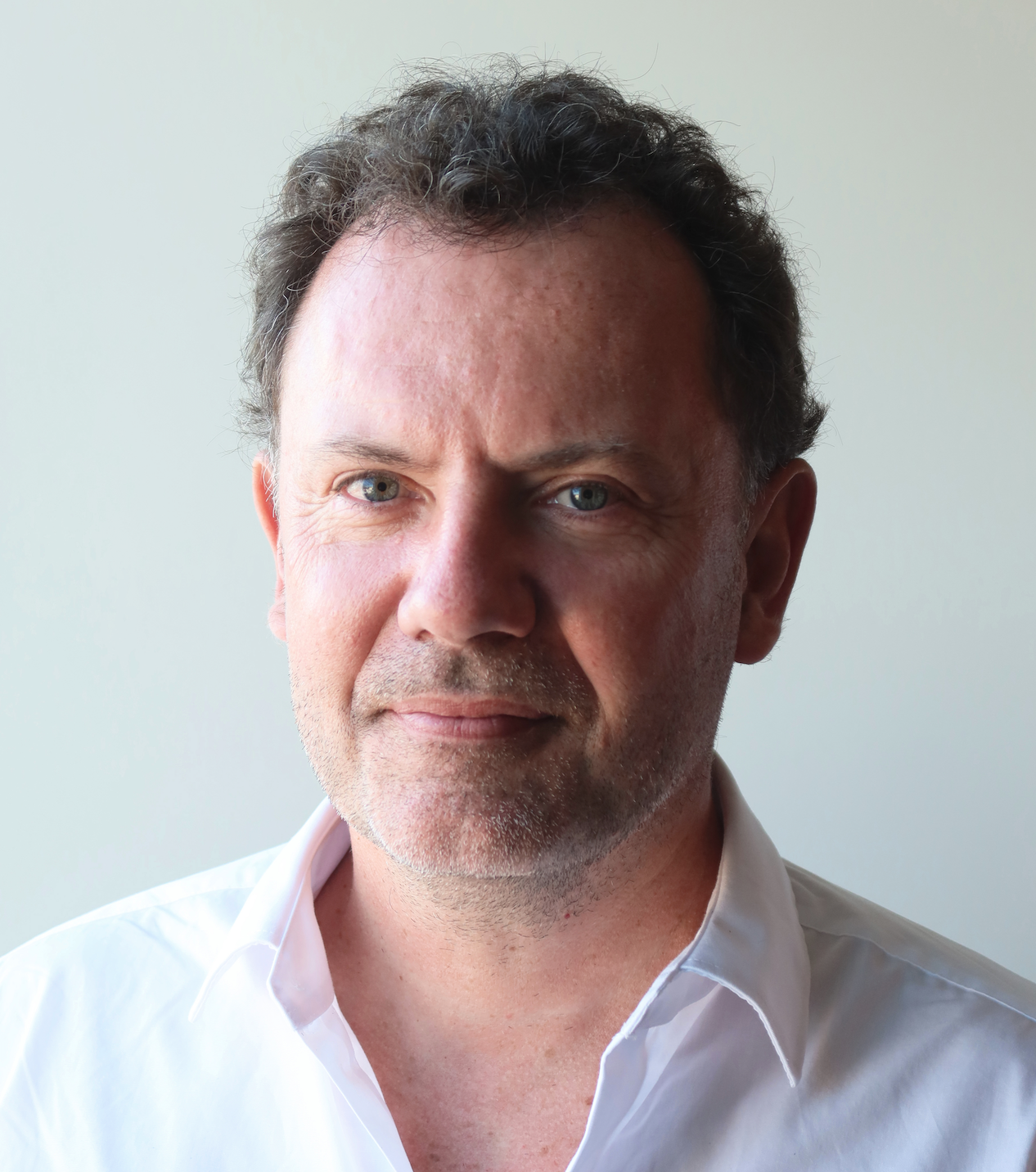
Emmanuel DORMY serves as a Professor of Mathematics at Ecole Normale Supérieure - PSL, holding the position of CNRS Directeur de Recherche since 2008. His academic appointments include Researcher and Professor at ENS since 2004, Associate Professor at Ecole Polytechnique (2008-2020), and Researcher at Institut de Physique du Globe de Paris (1999-2016). He maintains international collaborations through visiting positions at Trinity College, Cambridge and has led significant research projects including Maeva [CNES], GDRE-Dynamo [CNRS], and Magnet [ANR].
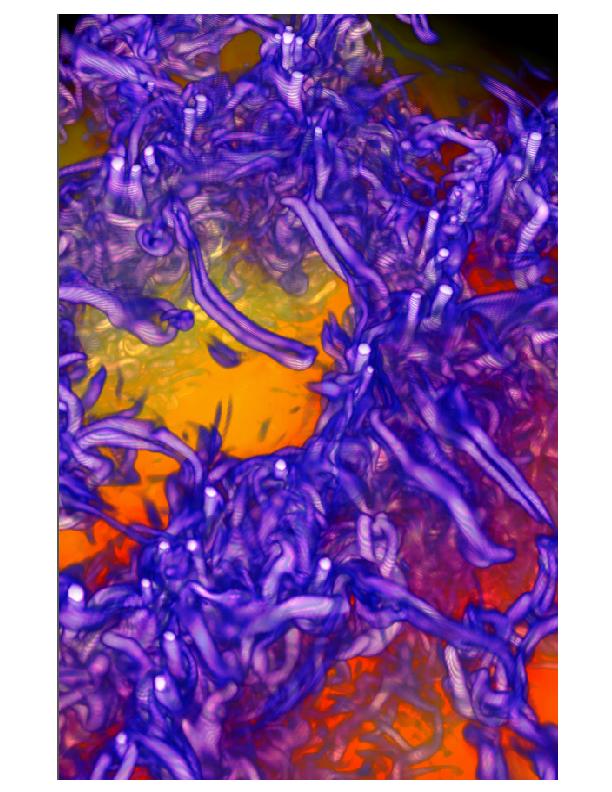
Professor DORMY's research focuses on mathematical modeling of geophysical fluid phenomena. His work spans dynamo theory examining Earth's core convection and magnetic field generation, water wave dynamics with emphasis on breaking mechanisms, tropical cyclone structure including eye formation, rotating fluid systems affected by Earth's rotation, and magnetohydrodynamics of conducting liquids. His approach combines simplified mathematical models with numerical simulations and asymptotic analysis, always grounded in real-world geophysical problems.
His publication trends reveal consistent focus on fundamental fluid dynamics problems with applications to Earth's core, atmospheric phenomena, and oceanic processes. The research demonstrates progression from foundational numerical methods for convection modeling to complex multi-physical systems involving magnetic fields and rotating frames. Recent work shows increased attention to high-resolution numerical methods for capturing thin shear layers and boundary effects.
Professor DORMY has mentored numerous doctoral students through their PhD programs and supervised multiple postdoctoral researchers. His collaborative projects have secured funding from major French research agencies including CNRS, ANR, and CNES, supporting both theoretical development and computational infrastructure for geophysical modeling.
His laboratory work involves advanced numerical simulations of fluid systems, particularly examining convection patterns in spherical shells, wave breaking mechanisms, and cyclone dynamics. Current projects include the Mathematical Developments in Geophysical Fluid Dynamics program at IHP Paris (2026), continuing his longstanding focus on creating mathematically rigorous yet physically relevant models of complex geophysical phenomena.