معرفی
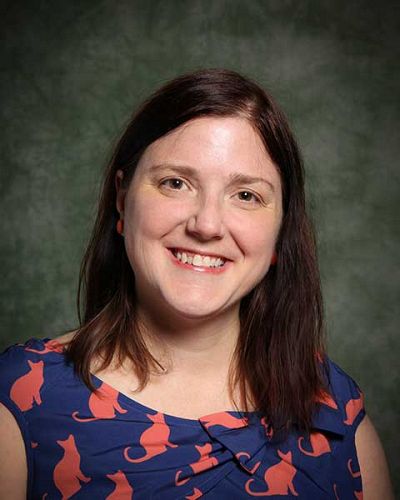
Emily C. Francomano is a Professor of Spanish and Director of the Global and Comparative Literature Program at Georgetown University, with affiliations in the Department of Spanish and Portuguese, the Center for New Designs in Learning and Scholarship (Digital Humanities), and the Global Medieval Studies Program. She holds a Ph.D. in Spanish Literature from Columbia University, alongside certifications in Medieval and Renaissance Studies. Her research focuses on medieval and Early Modern Iberian literature, translation studies, gender studies, and digital humanities, with notable works exploring the querelle des femmes, manuscript culture, and transcultural narratives. Key publications include Storied Genders, Mixed Lives, and The Iberian Apollonius of Tyre. She has received grants from the NEH, ACLS, and a Fulbright Fellowship, and her translation of The Triumph of Ladies won the SSEMW Edition in Translation Prize (2017). Her work bridges traditional and digital humanities, emphasizing accessibility and interdisciplinary collaboration.
Her educational background includes a B.A. in Philosophy from Oberlin College, followed by advanced degrees at Columbia, including a focus on medieval and Renaissance studies. Francomano’s grants and awards reflect her contributions to both scholarship and pedagogy, including support for collaborative digital projects and textual editions. Her current projects include editing and translating fourteenth-century hagiography and romance, as well as reinterpreting classical narratives in Iberian contexts. She actively participates in academic leadership roles, shaping curricula and digital initiatives at Georgetown and beyond.
Her research often intersects with feminist debates and material culture, analyzing how texts and their material forms shape historical and cultural understandings. For instance, her study The Prison of Love examines how a sixteenth-century Spanish romance became a transnational phenomenon, reflecting broader shifts in literacy and print culture. Francomano’s digital humanities work advocates for open-access models to make medieval manuscripts and scholarly resources widely available, blending traditional scholarship with innovative technology.