معرفی
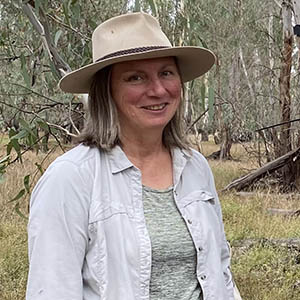
Dr Elizabeth Znidersic is an active post-doctoral researcher at Charles Sturt University's Gulbali Institute within the School of Environmental Sciences. She serves as a sessional lecturer in the Agricultural, Environmental and Veterinary Sciences department while leading cutting-edge conservation technology projects including the 'Eavesdropping on wetland birds' initiative. Her research bridges ecological fieldwork with computational analysis through acoustic monitoring and camera trapping methodologies.
- PhD in Environmental Science (Charles Sturt University, 2019)
- Master of Natural Resource Management (Charles Sturt University, 2013)
Her research focuses on applied ecology with specialization in wetland bird conservation, particularly the endangered Australasian bittern. She pioneers ecoacoustic monitoring and acoustic restoration techniques, developing innovative methods for estimating bird populations through sound analysis. Her work integrates technological tools like camera traps with traditional ecological surveys to improve species monitoring in challenging environments including Australian wetlands, Tasmanian ecosystems, and international collaborations with US government agencies.
Recent publications reveal a strong trend toward technological conservation with increasing focus on continental-scale wildlife monitoring (2025 camera trap synthesis) and acoustic restoration applications (2022 Ecology Letters paper). Her research spans wetland ecology, island biodiversity, and species reintroduction projects across Australia and Southeast Asia.
- Eavesdropping on wetland birds grant (2020)
- Homeward Bound Leadership for Women in STEMM (2022)
- TLM-Intervention Monitoring for bittern conservation (2021)
Dr Znidersic actively advises conservation policy through her external roles as Councillor for the Australian Ecoacoustics Group and member of the Winifred Curtis Reserve Trust. Her research has attracted significant funding including multiple Commonwealth Environmental Water Holder projects. She maintains strong industry partnerships with Parks and Wildlife Service agencies and nature-based tourism operations, particularly in Tasmania.
As a key member of the Gulbali Institute's ecoacoustics team, she collaborates with the Open EcoAcoustics Platform Scientific Advisory Panel and contributes to international conservation efforts including fisheries monitoring in the Mekong River system.