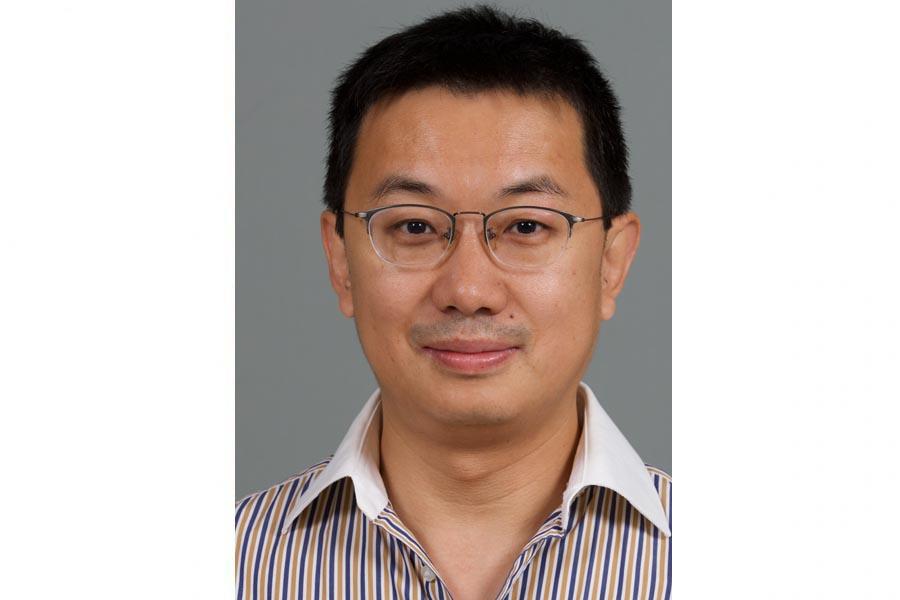
Elias Lolis
استاد · Structural Biology
Max Planck Institute of Molecular Cell Biology and Geneticsمعرفی
Dr. Elias Lolis is a Professor of Pharmacology at Yale School of Medicine with multiple affiliations across Yale University including the Biochemistry, Quantitative Biology, Biophysics and Structural Biology program; Developmental Therapeutics; Yale Cancer Center; and the Yale Combined Program in the Biological and Biomedical Sciences (BBS). He serves as the Faculty Director of the Office for Postdoctoral Affairs and his department's Director of Graduate Studies.
Dr. Lolis received his BA in Chemistry from Columbia College and PhD in Chemistry from MIT, with postdoctoral training at Rockefeller University. His research focuses on understanding the biology, structure, mechanism of action, and pharmacology of proteins in physiology and pathophysiology, particularly chemokines and the macrophage migration inhibitory factor (MIF) family in disease contexts.
His lab employs a multidisciplinary approach including structural biology (X-ray crystallography and NMR), molecular dynamics, high throughput screening, mutational analysis, yeast genetics, and CRISPR/Cas9 mouse models. Specific projects include:
- Chemokine-chemokine receptor (GPCR) structures
- High throughput screening for small molecule agonists and antagonists
- Yeast genetics to study chemokine-receptor interactions
- Mechanism of receptor activation for macrophage migration inhibitory factor
- Identification of MIF substrates and structure of MIF-ligand complexes
Dr. Lolis has made significant contributions to the field, receiving awards including the Pharmaceutical Manufacturers Association Faculty Development Award, the Donaghue Young Investigator Award, and the GlaxoWellcome Award in Drug Discovery. He is the founder of the Yale Macromolecular X-ray Facility and co-founder of the Yale Keck Bioinformatics Resource.
As an educator and mentor, Dr. Lolis has trained more than 25 postdoctoral associates, seven PhD students, and numerous undergraduate and minority students. He serves as his department's Director of Graduate Studies and is actively involved in diversity and inclusion initiatives at Yale. His research shows strong translational potential with applications to cancer, inflammation, and infectious diseases.