معرفی
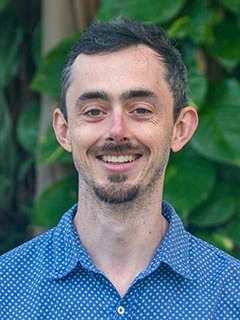
Dougie Clarke is a Professor and School Director of Graduate Education at the University of Huddersfield, leading the Department of Physical and Life Sciences within the School of Applied Sciences. He holds additional roles as a Member of the Evolutionary Genomics Research Centre and Associate Member of the Pharmacology and Therapeutics Centre. Clarke earned a BSc in Biochemistry from the University of Strathclyde (1985) and a PhD in Biochemical Pharmacology/Toxicology from the University of Dundee (Medical Sciences Institute). His career includes postdoctoral research at Ninewells Hospital and Medical School, followed by a Lectureship in Molecular Medicine at Dundee’s Medical School (1992–1998).
As Head of Biological Sciences (2006–present), Clarke tripled biological sciences degree offerings, established postgraduate masters courses, and led restructuring efforts that expanded staff and research output. Under his leadership, Biological Sciences achieved top 5 rankings in the National Student Survey and upper quartile placement in the Sunday Times League Table. He manages diagnostic services for hereditary diseases like Crigler-Najjar Syndrome and leads a genotyping service for anticoagulant resistance polymorphisms.
Clarke’s research focuses on molecular evolution of enzymes, human/animal phylogeny, and archaeogenetics. He has published over 30 papers and 4 book chapters, with notable contributions to understanding Southeast Asian migration and North African ancestry. He currently leads an EU Horizon 2020 grant investigating the molecular basis of ageing. His teaching spans bioinformatics, molecular toxicology, and research methods, while his public engagement includes media appearances and lectures on genetic engineering and super rats.
Clarke serves on university committees for research, management, and ethics, and represents the University as a Higher Education Academy Centre of Bioscience delegate. His work aligns with UN Sustainable Development Goals, contributing to health and environmental research.