معرفی
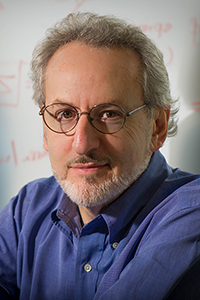
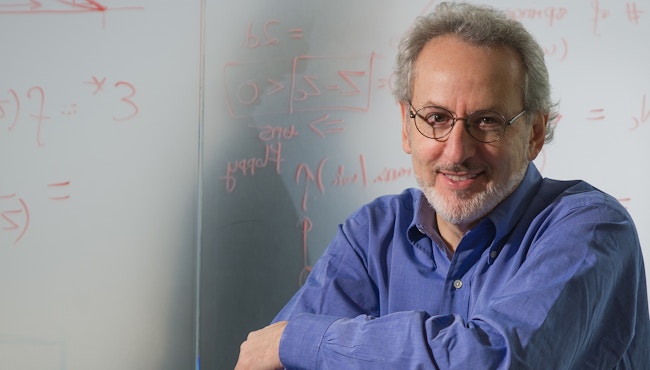
Donald E. Ingber, M.D., Ph.D. is the Founding Director of the Wyss Institute for Biologically Inspired Engineering at Harvard University, where he also holds the Judah Folkman Professorship of Vascular Biology at Harvard Medical School and Boston Children's Hospital, and the Hansjörg Wyss Professorship of Biologically Inspired Engineering at the Harvard John A. Paulson School of Engineering and Applied Sciences. A pioneer in biologically inspired engineering, he leads interdisciplinary teams developing breakthrough bioinspired technologies to advance healthcare and sustainability.
Ingber's research spans multiple disciplines including mechanobiology, tissue engineering, tumor angiogenesis, systems biology, and nanobiotechnology. He is best known for discovering the role of mechanical forces in developmental control and cancer formation, and for applying these principles to develop innovative medical devices and therapeutics. His most notable contribution is the development of 'Organs-on-Chips' technology, which mimics human organ functions and has been recognized with numerous design awards including acquisition by the Museum of Modern Art for its permanent collection.
His recent work shows continued innovation in microphysiological systems, with numerous 2025 publications focusing on human organ chip models for disease research, drug testing, and understanding fundamental biological processes. These studies demonstrate the maturation of organ chip technology into sophisticated platforms for precision medicine, reproductive health research, and vaccine development.
- Member of the National Academy of Engineering (2021)
- Member of the National Academy of Medicine (2012)
- Member of the National Academy of Inventors (2015)
- Top 20 Translational Researchers worldwide (2012 and 2020)
- Product Design and Best Design of the Year Awards from London Design Museum (2015)
- Pritzker Award from the Biomedical Engineering Society (2009)
Ingber has successfully translated his research into commercial applications, founding 8 companies including Emulate Inc. (Organ Chips), BOA Biomedical Inc., and FreeFlow Medical Devices. His work has led to multiple technologies now in clinical trials or commercial use, including therapeutics for cancer, sepsis treatment devices, and organ chip platforms replacing animal testing. As Founding Director of the Wyss Institute (launched with Harvard's largest-ever philanthropic gift of $125 million), he has created a unique model for translating high-risk research into real-world impact through industry partnerships and startup formation.
His laboratory continues to push boundaries in biologically inspired engineering, with current focus areas including advanced organ chip systems, tissue engineering, and the application of mechanical principles to understand and manipulate cellular behavior. The Wyss Institute under his leadership has become a global leader in translating biological design principles into engineering innovations.