معرفی
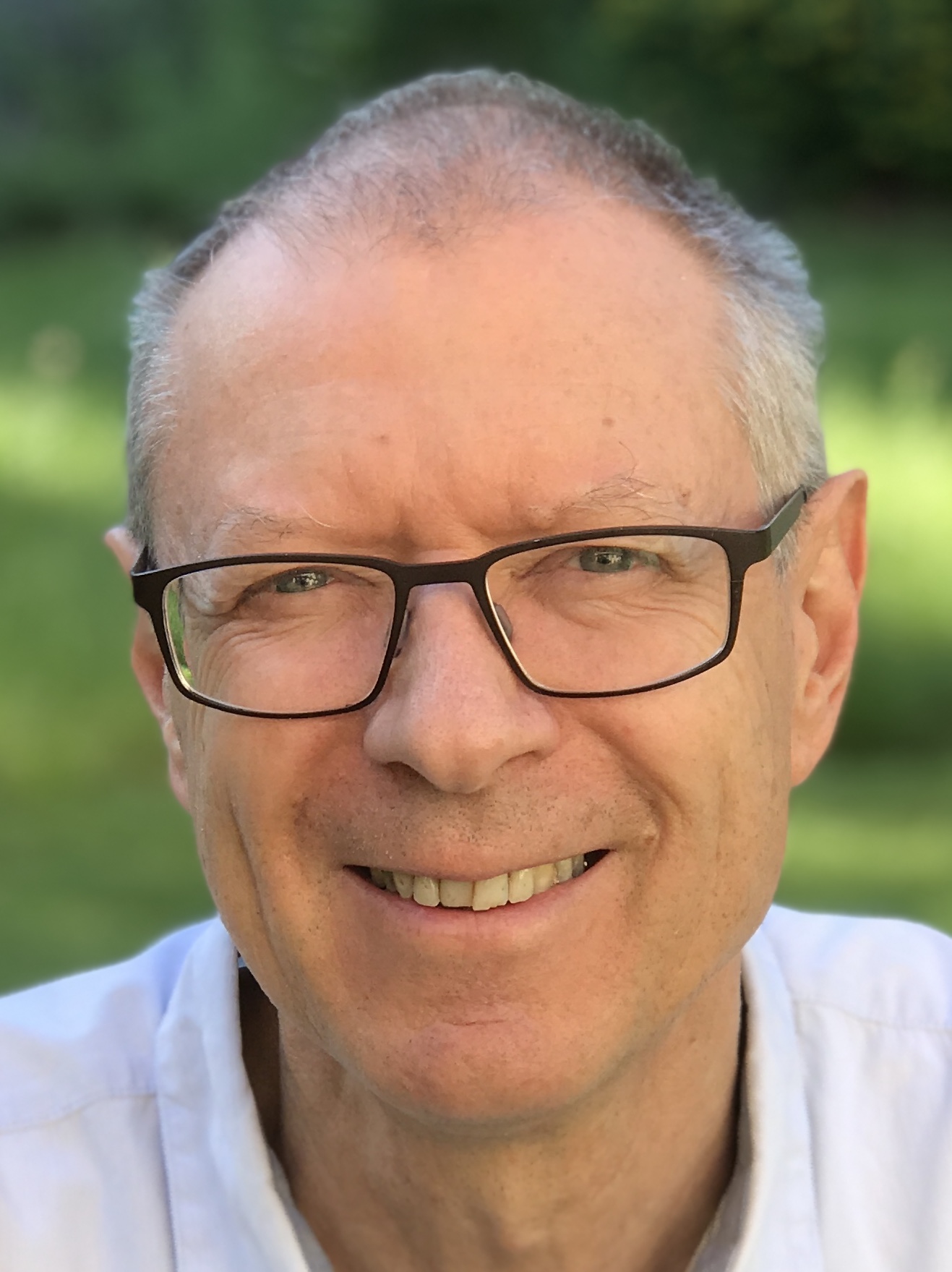
Dirk Brandherm is a Reader in the School of Natural and Built Environment at Queen’s University Belfast, where he conducts research in prehistoric archaeology with a focus on the Chalcolithic, Bronze, and Iron Ages of Europe and the Mediterranean. He is actively engaged in refining chronologies through scientific dating and analyzing archaeomaterials such as metals and ceramics.
- Reader (equivalent to Associate Professor), School of Natural and Built Environment, Queen’s University Belfast
- Accepting PhD students in prehistoric archaeology, dating methods, and archaeometry
- Active researcher with over 112 publications and ongoing projects
- Editor-in-Chief, UISPP Journal; Editorial Board, Trabajos de Prehistoria
His research centers on understanding societal change in later prehistory, particularly through the lens of material culture and scientific analysis. Key areas include the dynamics of Bronze Age settlements, metallurgical practices on the Atlantic facade, and the development of chronologies using radiocarbon dating. His work integrates field archaeology with laboratory-based archaeometric techniques to explore cultural developments across Western Europe and the Mediterranean.
Recent publications highlight a strong trend in the study of metal artefacts, settlement systems, and water management during the Metal Ages. His research increasingly emphasizes comparative approaches, such as between Ireland and northern Britain, and integrates scientific methodologies to address broad questions of trade, technological change, and cultural interaction. Themes of resource supply, technological innovation, and ritual deposition recur throughout his work.
He has been recognized with two prestigious fellowships:
- Fellow of the Society of Antiquaries of London (2013)
- Fellow of the Society of Antiquaries of Scotland (2014)
Dirk Brandherm has supervised PhD students and serves on editorial boards and peer review panels. He has led externally funded research projects, including the project 'Between a Rock and a Hard Place' on early metalworking tools. His academic service includes organizing conferences, delivering invited talks, and external examining at both undergraduate and postgraduate levels. He is actively involved in international research networks, particularly in Bronze Age studies.
He is associated with editorial teams and collaborative research groups focused on prehistoric archaeology, including the UISPP (International Union for Prehistoric and Protohistoric Sciences) and the Bronze Age Forum. His network includes collaborations across Spain, the Netherlands, and the UK, reflecting the transnational nature of his research interests.