معرفی
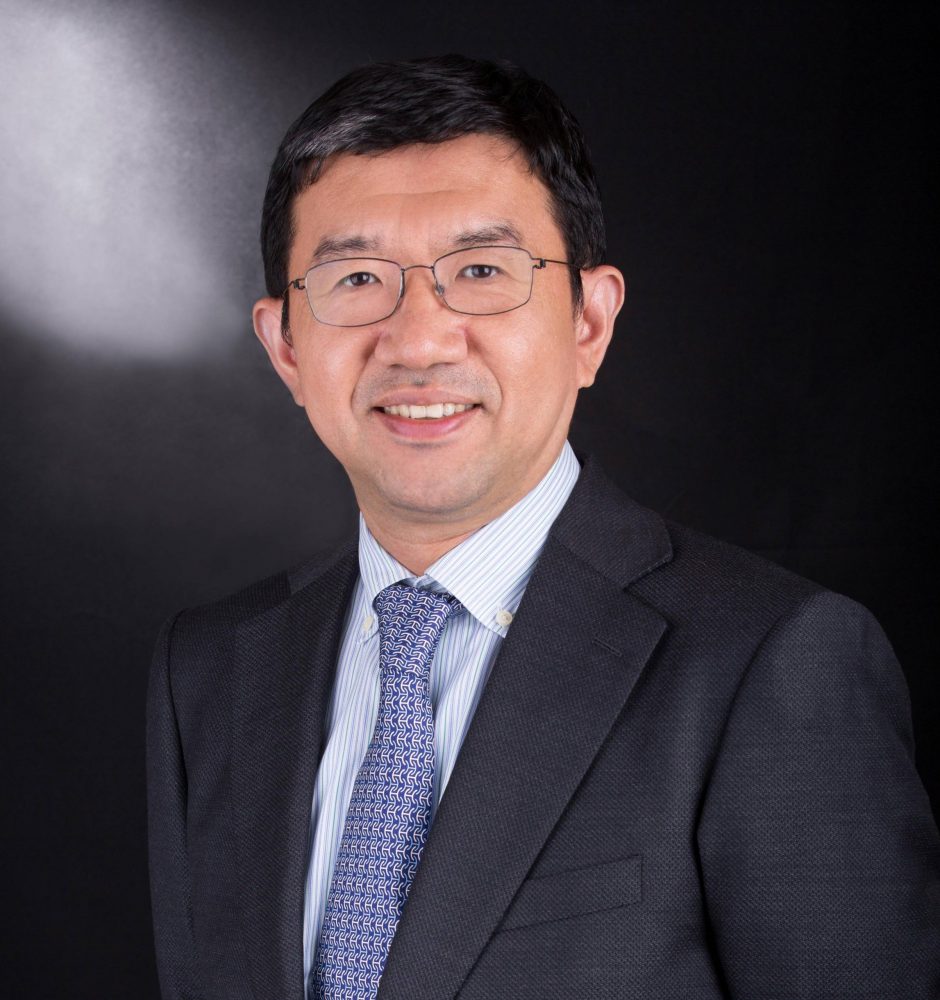
Dimosthenis Kifokeris is an Associate Professor and Docent in Construction Production and Management of Construction Projects at Chalmers University of Technology's Department of Architecture and Civil Engineering, where he also serves as the Coordinator for Artificial Intelligence. His research bridges construction engineering with digital technologies and organizational theory, focusing on how emerging technologies can transform traditional construction practices.
His research interests span construction informatics (particularly machine learning, blockchain/DLT, IoT, and BIM), lean construction, constructability, and sustainable, circular, and regenerative production processes. He approaches these topics through interdisciplinary lenses including labor process theory, labor theory of value, organizational theory, and data science. His PhD thesis utilized supervised and unsupervised machine learning to appraise project constructability through risk analysis.
Dr. Kifokeris has led or participated in Swedish and international research projects totaling over 57 million SEK, funded by Formas, SBUF, Vinnova, CMB, and Horizon Europe. His work demonstrates how digital technologies can address longstanding challenges in construction information management, safety analysis, and production processes.
He holds significant leadership positions in the international construction research community, serving as Secretary of the Board of the European Council on Computing in Construction (EC3), a Board member of Construction Researchers on Economics and Organisation in the Nordic Region (CREON), and leader of the thematic group Byggprocess och Förvaltning in Sveriges Bygguniversitet (SBU). He chaired the EC3 2022 PhD Summer School in Rhodes and will chair the Thesis-in-Three competition at the EC3 2025 Conference in Porto.
His recent publications reveal a strong trajectory toward integrating artificial intelligence with construction management, particularly focusing on how large language models can transform accident analysis and how blockchain can create more transparent and trustworthy information environments throughout the built asset lifecycle. His work represents a unique synthesis of technical innovation and critical organizational perspectives.